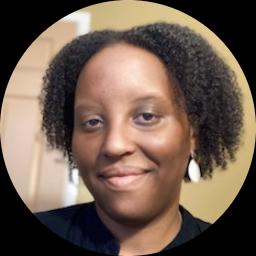
About Whitney
Dr. Whitney Brown is a New York licensed psychologist with three years of clinical work supporting people through stress and anxiety. She frames therapy as a team effort and treats each person as the expert on their own life.
Her goal is to help people build on the strengths they already have and find clearer ways to manage hard moments. Clients can expect direct, down-to-earth sessions that focus on practical skills.
Background and approach
She uses approaches that teach new thinking patterns and emotional coping tools. Sessions often include real-life strategies people can try between meetings to see gradual change. Dr.
Brown also works with concerns tied to mood, self-esteem, and relationships with oneself, including issues like guilt, shame, and impulsivity. She supports people dealing with addictions, trauma and abuse, anger, social anxiety, and other overlapping problems. The emphasis is on making small, doable shifts that add up over time.
Her methods draw on cognitive behavioral techniques, mindfulness, dialectical behavior ideas, and motivational interviewing to help people notice patterns and try new ways of responding. She tailors the approach to each person’s situation rather than following a fixed script. People who prefer clear guidance and practical steps tend to fit well with her style.
Sessions are offered from New York in English, and the work focuses on everyday changes that make life feel more manageable.
How therapy approaches translate to online care
CBT, or Cognitive Behavioral Therapy, focuses on spotting unhelpful thoughts and testing them against real-life evidence. It helps people reduce anxious thinking and try behaviors that break the worry cycle.DBT, or Dialectical Behavior Therapy, teaches skills for managing strong emotions and improving moment-to-moment coping. It can help when impulsivity, intense mood swings, or overwhelming feelings get in the way of daily life.
Finding the right mix of methods is part of the work. The therapist will talk with each person about their goals and preferences and then choose or combine approaches that fit. That collaboration helps make sure sessions match what the person needs in practice.
Online therapy offers several ways to connect: video calls, phone sessions, live chat, and text-based messaging. Video is useful for longer, focused sessions and reading facial cues. Phone calls work well when bandwidth is limited or a shorter check-in is needed. Live chat and text messaging can be used for quick updates, brief coaching, or when typing feels easier than speaking. These options make it easier to fit therapy into a busy life and try different formats to see what helps most.
Questions people ask
What kinds of concerns does she address?
What is her therapeutic style like?
How much clinical experience does she have?
What are her credentials and where is she based?
What languages are sessions offered in?
Can people outside the U.S. work with her?
What session formats are available?
How does payment and getting started work?
What this therapist works with
Most often
Also listed
- Addictions
- Anger management
- Co-morbidity
- Coping with life changes
- Depression
- Guilt and shame
- Impulsivity
- Mood disorders
- Personality disorders
- Self esteem
- Self-love
- Social anxiety and phobia
- Trauma and abuse
- Women's issues
- Young adult issues
Therapeutic approaches
- Experience
- 3 years
- Licensed
- New York
- Languages
- English
We will earn a commission if you sign up through our link, at no cost to you.