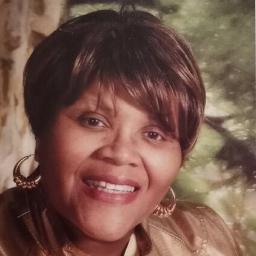
About Vickie
Vickie Kimble is a Licensed Professional Counselor with ten years of clinical experience in Texas. She focuses on anxiety and stress, along with related areas like depression, anger, and self-esteem concerns. Vickie aims to make the first steps toward help feel manageable and direct.
Vickie creates a calm, nonjudgmental space where people can talk through their thoughts and feelings. She listens closely and helps identify patterns that keep anxiety and stress active.
Background and approach
Sessions are practical and geared toward small, doable changes that build over time. Her work often centers on daily-life skills for managing anger, boosting confidence, and improving motivation. She also supports people dealing with grief, trauma and abuse, and challenges tied to adoption and foster care or aging concerns.
Young adult issues and self-harm are also areas she addresses when relevant. Vickie uses several straightforward approaches in sessions. She draws on client-centered techniques to follow each person’s lead.
Cognitive Behavioral Therapy helps people notice and change unhelpful thoughts and behaviors. Dialectical Behavior Therapy provides tools for emotional regulation and stress tolerance. Practical problem solving is part of the work, too.
She uses motivational interviewing to help people find reasons to change. Mindfulness practices may be offered to reduce reactivity and increase focus. The overall goal is clearer thinking and more manageable days.
Vickie meets people where they are and helps them set realistic steps toward their goals. She supports parents working on parenting concerns and people facing mood regulation challenges like Disruptive Mood Dysregulation Disorder. Her approach is steady, compassionate, and oriented toward everyday improvements.
How her approaches translate to online care
Client-Centered Therapy focuses on listening and responding to each person’s experience. In online sessions this means the therapist follows the client’s concerns and helps shape goals that feel meaningful. It’s useful when someone needs space to talk and be heard before trying new skills.Cognitive Behavioral Therapy, or CBT, looks at links between thoughts, feelings, and actions. Online CBT sessions often include short exercises and practical homework to try between meetings, which helps reduce anxiety and improve mood. Dialectical Behavior Therapy, or DBT, teaches concrete skills for regulating emotions and tolerating distress, and can be used alongside CBT techniques for people who need structure and immediate coping tools.
Choosing an approach is collaborative. The therapist will discuss options and try methods that fit the person’s goals, preferences, and daily life. Together they monitor what helps and adjust the plan over time rather than sticking to one way of working.
Online therapy offers flexible ways to meet. Video calls allow face-to-face conversation and visual cues. Phone sessions require less bandwidth and can be easier during busy days. Live chat or text messaging work well for quick check-ins, brief skill practice, or when someone prefers typed communication. These options make it simpler to use therapy around work, school, or caregiving commitments.
Questions people ask
What kinds of concerns does she address?
What is her general therapy style?
How much clinical experience does she have?
What are her credentials and where is she based?
Which languages are supported for sessions?
What session formats are available?
How much do sessions cost?
How do I begin working with her?
What this therapist works with
Most often
- Stress, Anxiety
- Parenting issues
- Anger management
Also listed
- Adoption and foster care
- Aging and geriatric issues
- Depression
- Disruptive Mood Dysregulation Disorder (DMDD)
- Grief
- Self esteem
- Self-harm
- Trauma and abuse
- Young adult issues
Therapeutic approaches
- Experience
- 10 years
- Licensed
- Texas
- Languages
- English
We will earn a commission if you sign up through our link, at no cost to you.