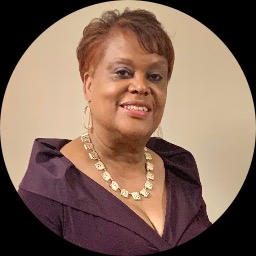
About Velda
Velda Wiltz is a licensed clinical social worker who helps people manage stress and anxiety. She offers steady support for depression, grief, addictions, relationship concerns, and low self-esteem. Her style is warm and direct, aimed at helping clients feel heard and understood.
With 40 years of experience, Wiltz draws on practical, time-tested methods to guide conversations. She listens first and then helps clients identify realistic steps to feel better. Sessions focus on everyday problems and small changes that add up over time.
Background and approach
She often uses client-centered work to create a nonjudgmental space where people can speak freely. Cognitive Behavioral Therapy (CBT) is used to notice unhelpful thoughts and test new ways of thinking and acting. These approaches are used together to match what a person needs in the moment.
Wiltz also brings experience with HIV/AIDS, hospice and end-of-life concerns, and multicultural issues. That background informs how she talks about sensitive topics and life transitions. She aims to be practical while honoring each person's values and history.
Sessions are offered in English and are organized to fit into busy lives. People who reach out will complete a short matching questionnaire and then schedule sessions based on the therapist's availability.
How therapeutic approaches translate to online care
Client-Centered Therapy focuses on creating a respectful, listening space where the client's views guide the work. In online sessions this means the therapist pays close attention to what matters most to the person and follows their lead to set goals and pace.Cognitive Behavioral Therapy, or CBT, helps people spot unhelpful thoughts and try new behaviors. Online CBT sessions use conversation and simple exercises to practice skills between meetings, which is helpful for anxiety, stress, and mood concerns.
Choosing the right approach is a team effort. The therapist will ask about goals, daily routines, and what has worked or not in the past. Together the client and therapist decide which methods to try and adjust them as needed.
Online formats include video calls, phone sessions, live chat, and text-based messaging. Video calls work well for deeper conversations and seeing nonverbal cues. Phone sessions can be easier when bandwidth is limited or for a quick check-in. Live chat and text messaging suit short updates, brief skills coaching, or people who prefer typing. These options make it easier to fit therapy into work, school, or caregiving schedules.
Questions people ask
What concerns does this therapist address?
How would you describe the therapeutic style here?
What background and experience does the therapist have?
Where is the therapist based and what credential do they hold?
Which languages are supported for sessions?
What session formats are available?
How is cost handled for sessions?
How do I begin working with this therapist?
What this therapist works with
Most often
- Stress, Anxiety
- Addictions
- Relationship issues
Also listed
Therapeutic approaches
- Experience
- 40 years
- Licensed
- Louisiana
- Languages
- English
We will earn a commission if you sign up through our link, at no cost to you.