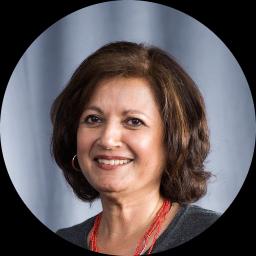
About Uzma
Uzma Ahmad is a licensed counselor with 25 years of clinical and teaching experience. She holds a Licensed Professional Counselor (LPC) credential and a Licensed Mental Health Counselor (LMHC) credential and works from a strengths-based perspective. She aims to create a calm, direct space where people can talk about what is worrying them and look for practical ways forward.
She helps people who are dealing with stress and anxiety, grief, relationship strain, and parenting challenges.
Background and approach
She also supports those coping with trauma and abuse, including sexual abuse, and related concerns like post-traumatic stress and attachment wounds. Everyday struggles such as loneliness, guilt, shame, and finding life purpose are also within her focus. In sessions she builds a working relationship and encourages honest conversation without judgment.
She listens for patterns around control, communication problems, abandonment fears, and narcissistic dynamics, and helps people try different responses. The work is collaborative and paced to each person’s comfort. Her background includes university-level teaching in psychology alongside clinical practice.
This combination informs a practical approach that blends real-world problem solving with emotional support. Sessions are offered in English, Hindi, Punjabi, and Urdu. Uzma supports people across a range of life challenges and emphasizes support, empowerment, and small steps that add up over time.
Signing up for therapy is framed as a clear act of self-care, and she helps clients move through the initial courage it often requires.
Evidence-based approaches and online care
Two common, evidence-based approaches she uses are strengths-focused therapy and trauma-informed conversation. Strengths-focused work helps people notice their existing skills and use them to manage stress, anxiety, or life transitions. Trauma-informed conversation means paying attention to how past hurts affect current reactions and pacing the work so clients feel able to try new ways of coping.She emphasizes collaboration when choosing techniques. Together the therapist and client will consider which approaches fit the problem, the client’s goals, and personal preferences. The plan can change as progress is made or new needs appear, and the goal is to find what actually helps in day-to-day life.
Online therapy is offered via video calls, phone sessions, live chat, and text-based messaging to increase flexibility. Video sessions allow more face-to-face interaction, phone sessions can be easier when bandwidth or camera use is limited, live chat and messaging are useful for brief check-ins or when a shorter check-in fits a busy day. These options make it easier to fit sessions around work, childcare, or other obligations while still getting regular support from a licensed professional.
Questions people ask
What concerns does she commonly address?
What is her general therapy style?
How much clinical experience does she have?
Which credentials and location are listed?
In what languages are sessions offered?
What session formats are available?
How does billing and cost work?
How do I begin therapy with her?
What this therapist works with
Most often
- Stress, Anxiety
- Relationship issues
- Trauma and abuse
Also listed
- Experience
- 25 years
- Licensed
- Washington, Oregon
- Languages
- English, Hindi, Punjabi, Urdu
We will earn a commission if you sign up through our link, at no cost to you.