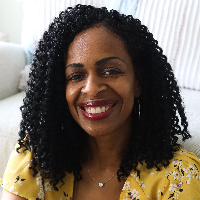
About Tonya
Tonya Jordan is a Licensed Professional Counselor (LPC) based in Georgia who helps people manage anxiety, stress, and related life challenges. She frames sessions around practical steps, clear thinking, and boosting confidence so clients can move past what holds them back. Her approach is warm and empathic.
She uses Cognitive Behavioral Therapy to help people see how thoughts affect feelings and actions. Sessions focus on small, doable changes and tools that clients can use between appointments.
Background and approach
Tonya brings six years of professional experience working with concerns such as depression, self-esteem, career blocks, ADHD, grief, trauma and abuse, and relationship stress. She also supports people dealing with parenting strain, anger, bipolar mood concerns, and major life transitions. She keeps resources and options on hand for those areas.
In career-focused work she helps people reduce self-doubt and create concrete plans. That can include clarifying values, identifying obstacles that cause self-sabotage, and building steps toward career or business goals. The aim is progress that feels realistic and meaningful.
Sessions are tailored to each person's needs and paced to fit where they are. Tonya invites people ready to make a change to start with a short intake and then move into focused sessions that emphasize practical tools and steady progress.
How CBT and Online Sessions Work Together
Tonya uses Cognitive Behavioral Therapy to help people notice unhelpful thinking patterns and learn new ways of responding. CBT focuses on identifying thoughts that lead to anxiety or low mood, testing those thoughts, and practicing alternative behaviors that reduce distress.When CBT is combined with remote work it becomes easy to apply tools in real life. A phone or video call lets a therapist coach a client through thought records, breathing exercises, or behavioral experiments in the moment. Text-based messaging and live chat offer short check-ins, reminders, or homework support between scheduled meetings.
Choosing the right approach is a joint process. The therapist will discuss goals, preferences, and day-to-day needs and then adapt CBT techniques or other helpful strategies. That collaborative planning helps tailor sessions so they match what the client wants to change.
Online formats bring flexibility for people with busy or shifting schedules. Video calls provide face-to-face interaction for deeper work, phone sessions use less bandwidth and can be easier to fit into a break, and chat or messaging suit quick updates or brief skills practice. These options make it simpler to keep therapy consistent while working toward concrete changes.
Questions people ask
What kinds of concerns does this therapist address?
How would you describe the therapy style and approach?
What is her professional background?
Where is she licensed and based?
Which languages are supported for sessions?
What session formats are available?
How are costs handled?
How do I begin working with this therapist?
What this therapist works with
Most often
- Stress, Anxiety
- Self esteem
- Career difficulties
Also listed
- Abandonment
- ADHD
- Anger management
- Bipolar disorder
- Body image
- Coaching
- Communication problems
- Coping with life changes
- Depression
- Grief
- Parenting issues
- Relationship issues
- Self-love
- Trauma and abuse
- Women's issues
Therapeutic approaches
- Experience
- 6 years
- Licensed
- Georgia
- Languages
- English
We will earn a commission if you sign up through our link, at no cost to you.