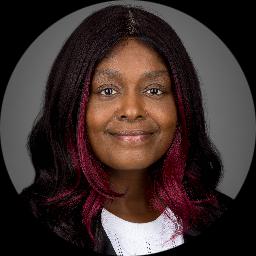
About Tanya
Tanya Lorenzi is a Licensed Professional Counselor (LPC) in Georgia with 15 years of counseling experience. She focuses on anxiety, stress, relationship struggles, and life changes. Tanya aims to help people find practical ways to feel steadier and more connected.
She draws on Acceptance and Commitment Therapy, which helps people accept difficult thoughts and take meaningful action. She also uses Cognitive Behavioral Therapy to identify unhelpful thinking and build new habits.
Background and approach
These methods often suit anxiety, depression, panic, and mood concerns. Tanya works with individual clients on issues such as trauma and abuse, ADHD, parenting stress, anger, and self-esteem. She also addresses relationship topics like communication problems, infidelity, intimacy, and commitment issues.
The goal is to help people make changes that fit their daily life. Her background includes two master’s degrees in counseling and a broad clinical history spanning different settings. Tanya relocated to Augusta, Georgia, in 2012 after living in New York City.
She brings 15 years of practice experience to sessions and emphasizes steady, realistic progress. Sessions focus on clear steps and real skills. Tanya uses straightforward tools people can try between visits, from behavior experiments to communication exercises.
She encourages collaboration, so each plan matches a person’s goals and circumstances.
Approaches that translate well to online therapy
Acceptance and Commitment Therapy (ACT) encourages noticing difficult thoughts and choosing actions that match personal values. Online ACT sessions often focus on short exercises, mindfulness practices, and small value-based goals to try between meetings. Cognitive Behavioral Therapy (CBT) breaks down how thoughts, feelings, and behaviors link together. In virtual sessions, CBT uses worksheets, behavior experiments, and step-by-step plans to reduce anxiety, panic symptoms, and unhelpful thinking. The therapist will work with each person to find the best fit among these methods. Together they will discuss goals, preferred ways of working, and which techniques to try first. That collaborative process helps shape a practical plan that can be adjusted over time. Online formats offer flexibility for busy schedules and different needs. Video calls are useful for fuller conversations and skills practice. Phone sessions can work when bandwidth is limited or a shorter check-in is needed. Live chat or text-based messaging can support quick check-ins, between-session coaching, or people who prefer writing over speaking.Questions people ask
What concerns does Tanya help with?
What is her therapeutic style?
How much clinical experience does she have?
What credentials and region apply to her practice?
Which languages and international options are supported?
What session formats are available?
How does pricing work for sessions?
How do I begin working with her?
What this therapist works with
Most often
- Stress, Anxiety
- Relationship issues
- Trauma and abuse
Also listed
- ADHD
- Anger management
- Bipolar disorder
- Commitment issues
- Communication problems
- Coping with life changes
- Depression
- Family conflicts
- Family problems
- Impulsivity
- Infidelity
- Intimacy-related issues
- LGBT
- Mood disorders
- Narcissism
- Panic disorder and panic attacks
- Parenting issues
- Personality disorders
- Post-traumatic stress
- Self esteem
- Self-love
- Social anxiety and phobia
Therapeutic approaches
- Experience
- 15 years
- Licensed
- Georgia, South Carolina
- Languages
- English
We will earn a commission if you sign up through our link, at no cost to you.