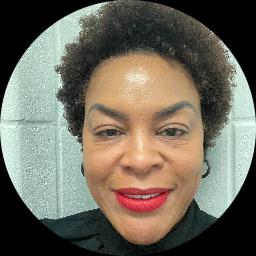
About Tami
Tami Quintana is a Licensed Professional Counselor (LPC) practicing in Texas. She focuses on helping people handle stress, anxiety, depression, trauma and abuse, and big life changes. Her work aims to help clients find clearer thinking and steadier coping skills.
Tami emphasizes a trauma-informed approach and offers a calm, grounded presence during sessions. She pays attention to each person's background and identity and keeps treatment practical and respectful. Conversations in sessions focus on understanding what happened and finding ways forward that fit daily life.
Background and approach
People come to her for help with anger, postpartum depression, and the emotional fallout from disasters or discrimination. She also supports those dealing with substance use issues, communication problems, and feelings of guilt or shame. Tami pays attention to how intellectual or developmental differences show up in emotional needs.
Her style is collaborative and strengths-based. She works with clients to set clear, manageable goals and to build skills they can use between sessions. Progress is tracked through real tasks and small changes rather than vague promises.
Tami provides services across Texas and conducts sessions in English. She offers sessions by video call, phone, live chat, and text-based messaging. To begin, people complete a short matching questionnaire and schedule sessions according to availability.
Approaches That Translate Well Online
Tami uses evidence-based therapeutic techniques that adapt well to online work. One common approach focuses on grounding and skill-building to reduce anxiety and stress; sessions teach breathing, pacing, and practical coping steps that can be practiced between meetings. Another element is trauma-informed care which helps people safely process difficult memories and their present triggers while building stability and routine.Choosing the best approach is a cooperative process. The therapist will listen to each person’s goals, try strategies, and adjust plans based on what helps most. Clients and the therapist decide together which techniques to keep using and which to change as progress unfolds.
Online therapy offers flexible ways to meet. Video calls allow face-to-face conversation and visual cues. Phone sessions work when bandwidth is limited or when a client prefers not to be on camera. Live chat and text-based messaging are useful for brief check-ins, ongoing support between sessions, or when typing feels easier than speaking. These options help fit therapy into busy schedules and different daily routines.
Questions people ask
What kinds of concerns does this therapist address?
How would you describe the therapy style and approach?
How much clinical experience does she have?
What are her credentials and where is she located?
Which languages are supported for sessions?
Can international clients work with this therapist?
What session formats are offered?
How does payment and starting therapy work?
What this therapist works with
Most often
- Stress, Anxiety
- Trauma and abuse
- Anger management
Also listed
- Abandonment
- Autism and Asperger Syndrome
- Blended family issues
- Communication problems
- Coping with life changes
- Coping with natural or human-caused disaster
- Depression
- Domestic violence
- Drug and alcohol addiction
- Guilt and shame
- Intellectual disability
- Postpartum depression
- Prejudice and discrimination
- Seasonal Affective Disorder (SAD)
- Self-love
- Women's issues
- Young adult issues
- Experience
- 3 years
- Licensed
- Texas
- Languages
- English
We will earn a commission if you sign up through our link, at no cost to you.