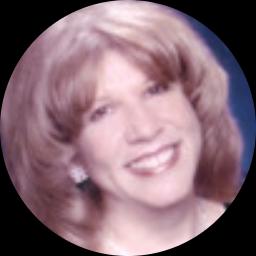
About Stella
Dr. Stella Verna Ross is a licensed mental health counselor who focuses on helping people who feel overwhelmed by stress and anxiety. She also supports those facing relationship strain, grief, low self-esteem, and major life changes.
She aims to make starting therapy less intimidating and works with each person at their own pace. Ross brings three decades of experience to meetings with clients. She creates a calm, nonjudgmental space where people can talk about painful thoughts and confusing feelings.
Background and approach
Sessions prioritize practical steps that fit daily life, so progress feels relevant and doable. Her background includes long-term clinical practice in Florida. That experience informs how she approaches complicated concerns such as obsessions, compulsions, phobias, and process addictions.
She also addresses issues tied to identity and life transitions, including gender dysphoria, immigration stresses, and multicultural dynamics. Stella works with people coping with first responder stresses, postpartum difficulties, seasonal mood shifts, and self-harm thoughts. Communication problems, jealousy, paranoia, and personality disorder-related challenges are also within her scope.
She listens for patterns and helps clients try new ways of responding. Therapy with Ross typically combines listening and practical problem solving. She helps clients set short-term goals and small experiments to test change.
Over time those steps aim to reduce distress and make daily life feel more manageable.
How evidence-based techniques translate to online care
Dr. Ross uses evidence-based therapeutic techniques that focus on clear strategies and practice. One common approach she uses involves teaching practical coping skills to manage anxiety and stress, such as breathing strategies, activity scheduling, and step-by-step exposure to feared situations. These tools help reduce day-to-day distress and improve functioning.Another approach centers on problem-solving and behavior change. This involves identifying patterns that keep problems going, trying small experiments to test new behaviors, and adjusting plans based on what works. It is useful for relationship difficulties, life transitions, and issues like obsessions or process addictions.
Choosing the right approach is a collaborative process. The therapist will talk with the client about goals and preferences, then recommend methods to try. Together they check progress and adapt the plan when needed so the work stays relevant and practical.
Online therapy offers flexible ways to meet. Video calls let people connect face to face when visual cues matter. Phone sessions can fit into a busy day or use less bandwidth. Live chat and text messaging allow shorter check-ins and ongoing support between sessions. These options make it easier to access consistent care and practice new skills in everyday settings.
Questions people ask
What kinds of concerns does she address?
What is her therapeutic style?
How long has she practiced?
Where is she licensed and based?
Which languages are supported?
What session formats are available?
How does cost work?
How do I begin working with her?
What this therapist works with
Most often
- Stress, Anxiety
- Relationship issues
- Grief
Also listed
- Communication problems
- Coping with life changes
- First responder issues
- Gender dysphoria
- Immigration issues
- Jealousy
- Life purpose
- Multicultural concerns
- Obsessions, compulsions, and OCD
- Paranoia
- Personality disorders
- Phobias
- Postpartum depression
- Process addiction (porn, exercise, gambling)
- Seasonal Affective Disorder (SAD)
- Self esteem
- Self-harm
- Self-love
- Sex addiction
- Sexual assault and abuse
- Experience
- 30 years
- Licensed
- Florida
- Languages
- English
We will earn a commission if you sign up through our link, at no cost to you.