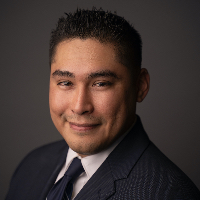
About Silvestre
Silvestre Rubio is a Licensed Professional Counselor who helps people manage stress, anxiety, addictions, and depression. He welcomes people who feel stuck, overwhelmed, or worn down by life’s changes and losses. His style is straightforward and steady, focused on practical skills alongside deeper exploration.
Rubio centers the relationship first. He aims to build trust so people feel safe saying what matters. He moves at each person's pace and works from goals the person sets.
Background and approach
Early sessions often teach coping skills that can be used right away. Alongside immediate tools, Rubio guides people toward understanding what keeps problems going. For someone working on substance use, that means learning skills to stay sober while also looking at the reasons substance use began.
He emphasizes both short-term relief and longer-term change. His work draws on client-centered care, cognitive behavioral ideas, mindfulness, and motivational interviewing. That mix lets him tailor sessions to each person's needs and preferences.
He uses simple, practical exercises and conversations rather than clinical jargon. Rubio brings eight years of counseling experience in Texas to his practice. He supports people facing trauma, grief, relationship and family problems, mood and panic concerns, sleep struggles, work stress, and questions about life purpose.
He offers a steady presence while helping people find skills and insight to move forward.
Approaches that fit online care
Client-centered therapy focuses on listening, empathy, and building a trusting relationship so people feel comfortable talking about hard things. It helps with anxiety, depression, and life transitions by centering the person's goals and pace.Cognitive Behavioral Therapy, or CBT, uses clear steps to spot unhelpful thoughts and behaviors and replace them with more helpful ones. It is useful for anxiety, panic, mood issues, sleep problems, and coping with stress.
Mindfulness therapy teaches simple attention and breathing practices to reduce reactivity and help people notice thoughts without getting swept away. It pairs well with skills work for stress, substance use triggers, and mood symptoms.
Choosing an approach is a collaborative process. The therapist will work with the person to figure out which methods match their goals, preferences, and the issues they want to address. Sessions can mix approaches and adjust over time as needs change.
Online formats offer flexibility for different situations. Video calls allow face-to-face conversation and full interaction. Phone sessions work well when internet bandwidth is limited or for a shorter check-in. Live chat and text messaging provide ongoing support between sessions and let people share thoughts in writing. These options make it easier to fit therapy around work, caregiving, or travel while keeping continuity of care.
Questions people ask
What concerns does he address?
What is his therapeutic style?
How much experience does he have?
What credentials and region are listed?
Which languages are supported?
What session formats are available?
How are fees handled?
How do I begin therapy?
What this therapist works with
Most often
- Stress, Anxiety
- Addictions
- Relationship issues
Also listed
- Anger management
- Bipolar disorder
- Career difficulties
- Co-morbidity
- Codependency
- Communication problems
- Compassion fatigue
- Coping with life changes
- Depression
- Drug and alcohol addiction
- Family conflicts
- Family problems
- Grief
- Intimacy-related issues
- Isolation / loneliness
- Life purpose
- Men's issues
- Mood disorders
- Panic disorder and panic attacks
- Parenting issues
- Post-traumatic stress
- Self esteem
- Self-love
- Sleeping disorders
- Trauma and abuse
- Workplace issues
- Young adult issues
Therapeutic approaches
- Experience
- 8 years
- Licensed
- Texas
- Languages
- English
We will earn a commission if you sign up through our link, at no cost to you.