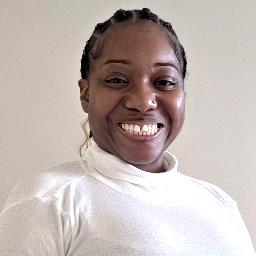
About Shetara
Shetara Richardson is a licensed clinical social worker who focuses on helping people manage anxiety and stress. She brings a calm, direct manner to sessions and aims to make the first steps less intimidating for anyone reaching out for support.
She works with clients who are dealing with anxiety, depression, grief, addiction struggles, trauma and abuse, low self-esteem, anger, career stress, bipolar challenges, and compassion fatigue. She also helps people navigating parenting pressures and life transitions.
Background and approach
Her approach is practical and geared toward everyday life changes rather than abstract theory. Shetara uses a mix of treatments that encourage present-moment awareness and skills practice. She draws on techniques from acceptance and commitment therapy, cognitive behavioral therapy, dialectical behavior therapy, mindfulness therapy, and motivational interviewing.
These tools are used to build coping skills, reduce distress, and support clearer decision making. In sessions she aims to create a nonjudgmental space where thoughts and feelings can be talked through openly. Conversations move at the client's pace and focus on what feels most useful right now.
She emphasizes collaboration and practical steps that can be applied between appointments. Shetara holds licensure in Pennsylvania and New Jersey and has six years of clinical experience. She offers sessions in English and provides several online formats to fit different needs and schedules.
Approaches That Translate Well to Online Therapy
Acceptance and Commitment Therapy (ACT) helps people notice difficult thoughts and feelings without getting stuck in them. It focuses on identifying personal values and taking practical steps toward those values even when emotions are strong. Cognitive Behavioral Therapy (CBT) breaks problems into thoughts, feelings, and behaviors and uses simple exercises to change unhelpful patterns. It often helps with anxiety, depression, and stress by teaching concrete skills you can practice between sessions.Finding the right approach is part of therapy. The therapist will work with each person to choose techniques that fit their goals and daily life. That might mean blending ACT and CBT skills, adding mindfulness or motivational interviewing, or prioritizing immediate coping tools for a crisis period. The process is collaborative and adjusts over time based on what helps most.
Online sessions offer several practical benefits for busy people. Video calls let therapists see facial expressions and body language, while phone sessions are useful when bandwidth is limited or when someone prefers not to be on camera. Live chat and text-based messaging can be used for shorter check-ins, homework support, or when a written format feels easier. These options make it simpler to fit therapy into a workday, a parenting schedule, or a change in routine.
Questions people ask
What kinds of problems does she help with?
What is her therapy style like?
How much experience does she have?
What are her credentials and where is she based?
Which languages are supported?
What formats are available for sessions?
How does billing and cost work?
How do I begin if I want to schedule?
What this therapist works with
Also listed
- Anger management
- Bipolar disorder
- Career difficulties
- Compassion fatigue
- Coping with life changes
- Depression
- Grief
- Parenting issues
- Self esteem
Therapeutic approaches
- Experience
- 6 years
- Licensed
- New Jersey, Pennsylvania
- Languages
- English
We will earn a commission if you sign up through our link, at no cost to you.