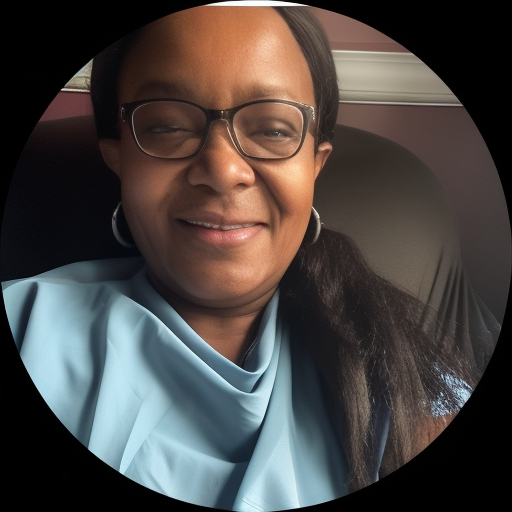
About Shelove
Shelove Andou is a licensed clinician with 25 years of experience helping people who are dealing with stress, anxiety, depression, self-esteem problems, and life changes. She works with individuals facing family conflict and supports people trying to rebuild after separation or loss. Sessions are offered in English and Haitian Creole and take place online by video, phone, chat, or text.
Shelove keeps things direct and compassionate in sessions. She focuses on practical coping skills that people can use between appointments.
Background and approach
Conversations often include identifying unhelpful patterns, rebuilding a sense of self, and practicing new ways to communicate with others. Her background includes medical training as an MD and clinical social work licenses - LCSW-C and LICSW. That mix gives her a broad view of emotional and behavioral challenges and how they affect daily life.
She draws on evidence-based therapeutic techniques tailored to each person. Over a long career she has worked with concerns like panic attacks, attachment and abandonment issues, body image, caregiver stress, guilt and shame, and problems with control and impulsivity. She helps people sort through isolation, forgiveness, and purpose questions too.
Shelove aims for a warm, culturally aware space where clients can try new coping strategies and rebuild confidence. Her style is collaborative - she and the client plan steps that feel manageable and realistic for everyday life.
How evidence-based techniques translate to online care
Many of her sessions use straightforward, evidence-based techniques that focus on changing unhelpful thoughts and building coping skills. For example, cognitive approaches help people identify and shift thought patterns that feed anxiety and panic, and behavioral techniques encourage gradual steps to reduce avoidance and increase confidence.She also uses skill-building work to strengthen emotion regulation and communication. This often includes short exercises to try between sessions, role-playing difficult conversations, and practicing breathing or grounding techniques to manage sudden panic or stress.
Finding the right approach is a team effort. The therapist and client review goals, try methods that fit the person’s needs, and adjust based on what helps. That collaborative process makes it easier to land on strategies that feel useful in daily life.
Online work offers practical benefits for busy people. Video calls let the therapist see facial cues and practice new skills together. Phone sessions can be a good option when bandwidth is limited or a camera is not preferred. Live chat and text messaging allow for shorter check-ins, ongoing encouragement, and quick problem-solving between longer sessions. These options make it easier to fit therapy into a workday, caregiving schedule, or other routines.
Questions people ask
What concerns does she commonly help with?
How would you describe her therapeutic style?
How much clinical experience does she have?
What are her credentials and where is she based?
Which languages are supported in sessions?
What session formats are available?
How are services billed and what does therapy cost?
How do I begin working with her?
What this therapist works with
Most often
- Stress, Anxiety
- Family conflicts
- Self esteem
Also listed
- Abandonment
- Attachment issues
- Body image
- Caregiver issues and stress
- Communication problems
- Control issues
- Coping with life changes
- Depression
- Divorce and separation
- Forgiveness
- Guilt and shame
- Impulsivity
- Isolation / loneliness
- Life purpose
- Mood disorders
- Panic disorder and panic attacks
- Self-love
- Social anxiety and phobia
- Women's issues
- Experience
- 25 years
- Licensed
- Maryland, Pennsylvania, West Virginia
- Languages
- English, Haitian Creole
We will earn a commission if you sign up through our link, at no cost to you.