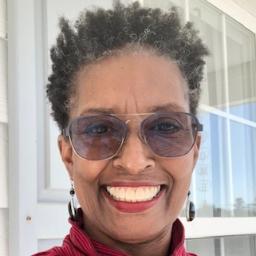
About Sheba
Sheba Shiver is a licensed marriage and family therapist (LMFT) who helps people dealing with stress and anxiety find clearer ways to express themselves. She focuses on helping clients set and keep healthy boundaries so relationships feel safer and more manageable. She writes and talks plainly in sessions so concerns are easier to sort out.
She starts by building a working relationship based on trust and collaboration. She pays attention to how a person relates to her so she can model new ways of relating and communicating.
Background and approach
She believes therapy is a shared process - she listens closely and offers observations that come from clinical experience and training. Many clients come for problems like anxiety, depression, trauma, grief, addiction, parenting strain, anger, or career transitions. She uses practical, talk-based methods to help people name their patterns and try small changes.
Sessions emphasize realistic steps that a person can practice between meetings. Her approach draws from several therapies, including cognitive behavioral techniques and mindfulness practices to reduce intense emotions and shift unhelpful thoughts. She also uses narrative and existential ideas to help people find meaning and direction after difficult life events.
She has practiced for 15 years in California as an LMFT. People who choose her often want straightforward guidance, thoughtful listening, and a therapist who will work with them on real-life boundaries and communication.
Approaches that translate well to online sessions
She uses cognitive behavioral techniques to help people notice and change unhelpful thought patterns and behaviors. CBT is useful for reducing anxiety and managing stress by practicing new responses to upsetting thoughts. Mindfulness therapy is also part of her work and teaches simple attention and breathing practices to calm the body and ground attention when feelings run high.Finding the right approach is a collaborative process. She will talk with each person about goals and preferences, try different tools, and adjust methods over time. The plan is to match techniques to what helps the individual make steady, realistic progress.
Online sessions include video calls, phone sessions, live chat, and text-based messaging to fit different needs. Video is helpful for deeper conversations and practicing communication in real time. Phone sessions can work well when bandwidth is limited or a shorter check-in is needed. Live chat and text sessions let people send updates or try brief coaching between longer meetings. These options make it easier to fit therapy into a busy life and keep momentum between sessions.
Questions people ask
What kinds of problems does she address?
How would you describe her therapeutic style?
What is her experience working as a therapist?
Where is she based and what are her credentials?
Which languages are sessions offered in?
What session formats are available online?
How are sessions priced?
What should I do to begin working with her?
What this therapist works with
Most often
- Stress, Anxiety
- Relationship issues
- Family conflicts
Also listed
- Addictions
- Anger management
- Career difficulties
- Coping with life changes
- Depression
- Grief
- Parenting issues
- Self esteem
- Trauma and abuse
Therapeutic approaches
- Experience
- 15 years
- Licensed
- California
- Languages
- English
We will earn a commission if you sign up through our link, at no cost to you.