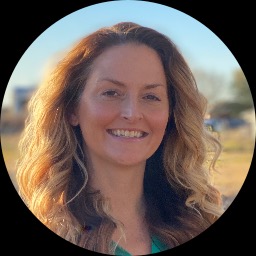
About Shannon
Dr. Shannon Moseley is a licensed professional counselor with a decade of clinical experience. She practices in Texas and brings a warm, interactive style to sessions.
Dr. Moseley focuses on helping people manage stress and anxiety and navigate relationship and family concerns. She approaches therapy with respect, positive regard, and cultural awareness.
Sessions aim to build self-efficacy and authenticity. Conversation and care are tailored to each person's needs rather than using a fixed script.
Background and approach
Dr. Moseley uses a practical mix of techniques drawn from approaches such as cognitive behavioral and client-centered work. She often blends mindfulness practices and, when appropriate, movement-based ideas like yoga to support overall wellbeing.
Clients are invited to give feedback so the plan can be adjusted. Her background includes care in settings that range from university clinics to hospital inpatient and emergency departments. She has also worked with military members, veterans, and law enforcement in contexts related to their service and roles.
That experience informs her attention to stress, trauma, and first-responder issues. In the therapy room, Dr. Moseley prioritizes an open atmosphere where thoughts and feelings can be shared without judgment.
She offers collaborative goal-setting and practical tools so people can manage day-to-day challenges like sleep trouble, anger, grief, and changes in life circumstances.
Approaches that translate to online sessions
Client-centered therapy emphasizes listening and following the person's lead. It helps people feel heard and guides work on self-esteem, relationships, and life choices.Cognitive behavioral therapy (CBT) focuses on identifying and changing unhelpful thoughts and behaviors. It is commonly used for anxiety, stress, sleep problems, and mood concerns and often includes concrete homework between sessions.
Eye movement desensitization and reprocessing (EMDR) is a trauma-focused method that helps process distressing memories through structured bilateral stimulation and guided recall. It can be helpful for people with traumatic experiences and related symptoms.
Finding the right approach is a collaborative process. The therapist will talk with the client about goals, preferences, and what feels most useful. Together they decide which methods to try and adjust the plan based on feedback and progress.
Online therapy offers flexibility for busy lives. Video calls allow face-to-face conversation, phone sessions work with lower bandwidth or when camera time is difficult, live chat is useful for shorter check-ins, and text-based messaging supports ongoing reflection between sessions. These options make it easier to fit therapy into work, family routines, or varied schedules.
Questions people ask
What concerns does she help with?
What is her general therapy style?
How much clinical experience does she have?
What credentials and location information are on file?
Which languages are supported for sessions?
How are sessions delivered online?
How does payment work and what does it cost?
What are the first steps to begin therapy?
What this therapist works with
Most often
- Stress, Anxiety
- Relationship issues
- Family conflicts
Also listed
Therapeutic approaches
- Experience
- 10 years
- Licensed
- Texas, New Mexico, Arizona, Washington
- Languages
- English
We will earn a commission if you sign up through our link, at no cost to you.