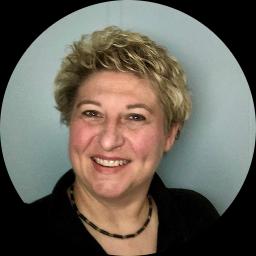
About Shanda
Shanda Owens, MD, LCSW-C offers nearly 19 years of clinical experience supporting people facing stress and anxiety. She creates an affirming space where people can talk through relationship concerns, trauma, and questions about identity. Her tone is calm and direct, aimed at helping someone feel understood quickly.
Her work concentrates on practical skills. She helps people manage symptoms of ADHD and mood disorders with strategies to reduce overwhelm and improve focus.
Background and approach
Communication skills and handling workplace stress are common topics in sessions. She provides trauma-informed care that respects each person’s history and pace. That means attention to safety, pacing, and coping tools while processing difficult experiences.
Shifts are often gradual and focused on small, usable changes. Shanda places value on self-love and life purpose as part of recovery. Conversations often include setting clear goals, practicing self-compassion, and building routines that support emotional health.
Impulsivity and social anxiety are addressed with concrete techniques. She uses evidence-based therapeutic techniques tailored to the person in front of her. Sessions aim to combine practical tools with a collaborative plan for growth.
Shanda practices in Maryland and meets with people in formats that fit busy lives.
Approaches that guide online care
Shanda uses evidence-based techniques that focus on practical change and emotional recovery. One common approach is trauma-informed therapy, which emphasizes pacing, coping skills, and gradual processing of difficult memories. This approach helps people reduce overwhelm and build tools for day-to-day coping. Another frequent focus is skills-based work for anxiety and ADHD. Those sessions teach concrete strategies for managing worry, improving focus, and handling impulsivity. Exercises often include planning, breathing or grounding practices, and small behavior changes that fit into daily life. Finding the right approach is collaborative. The therapist and client work together to identify goals, try methods, and adjust the plan based on what helps most. That process makes it easier to focus on what the person wants to change and how quickly they wish to move. Online formats support flexible care. Video calls allow face-to-face conversation and fuller interaction, while phone sessions can fit a quick check-in or when bandwidth is limited. Live chat and text-based messaging let someone send updates or short reflections between sessions, and can make it easier to stay consistent with therapy during busy weeks. These options help people fit therapy into work, caregiving, and everyday life.Questions people ask
What concerns does Shanda help with?
How would you describe her therapy style?
What is her background and experience?
Where is she licensed and what are her credentials?
Which languages are available for sessions?
What session formats are offered?
How are fees and billing handled?
How do I begin working with her?
What this therapist works with
Most often
- Stress, Anxiety
- LGBT
- Relationship issues
Also listed
- Experience
- 19 years
- Licensed
- Maryland
- Languages
- English
We will earn a commission if you sign up through our link, at no cost to you.