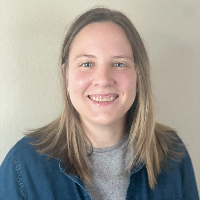
About Sarah
Sarah Platzer is a Licensed Clinical Social Worker (LCSW) based in Wisconsin who focuses on anxiety, stress, depression, and related concerns. She aims to create a calm, approachable space where people can talk through what’s worrying them and take practical steps forward. She keeps sessions grounded and straightforward.
Sarah uses everyday language and clear tools from cognitive behavioral therapy and dialectical behavior therapy to help people notice patterns, try new coping skills, and manage intense feelings.
Background and approach
She also draws on motivational interviewing to support change when people feel stuck. Sarah spent several years working in a behavioral health hospital and outpatient clinic, gaining hands-on experience with mood disorders, self-harm, and ADHD among other challenges. That background informs how she balances safety, practical skills, and steady support in sessions.
Her style is warm and down-to-earth. She aims to make it easier to open up by bringing a steady presence and sometimes using gentle humor. Sarah partners with each person to set clear goals and build steps that fit day-to-day life.
Sessions focus on manageable strategies for coping with grief, relationship strain, parenting stress, loneliness, and compassion fatigue. People who want to work on self-esteem, anger, or adjusting to life changes can expect concrete exercises and regular check-ins on progress.
How CBT, DBT, and Motivational Interviewing work online
CBT, or Cognitive Behavioral Therapy, focuses on the link between thoughts, feelings, and actions. Online CBT sessions typically involve identifying unhelpful thinking patterns and practicing new ways of responding to stress and anxiety through simple exercises and homework.DBT, or Dialectical Behavior Therapy, emphasizes skills for managing intense emotions, improving distress tolerance, and strengthening relationships. In remote sessions this can mean practicing breathing, grounding, and interpersonal skills together and reviewing how those techniques fit into daily life.
Motivational Interviewing helps people find their own reasons for change. It uses collaborative conversation to build motivation and set achievable goals, which pairs well with CBT or DBT work when someone feels stuck.
Choosing the right approach is a collaborative process. The therapist will talk with each person about their goals, try techniques that fit their needs, and adjust plans based on what helps. Clients and the therapist decide together which tools to prioritize.
Online formats offer practical flexibility. Video calls let conversations feel more like in-person sessions. Phone sessions work well when bandwidth is limited or a shorter check-in is needed. Live chat and text-based messaging support ongoing reflection between sessions and can make it easier to fit therapy into a busy day. These options make it simpler to keep momentum and practice skills in real time.
Questions people ask
What concerns does Sarah help with?
What is her therapeutic style like?
What experience does she bring?
What credentials and region are listed?
Which languages are sessions offered in?
What session formats are available?
How is cost handled?
How do I begin therapy with her?
What this therapist works with
Most often
Also listed
- ADHD
- Anger management
- Compassion fatigue
- Coping with life changes
- Family conflicts
- Family problems
- Grief
- Isolation / loneliness
- LGBT
- Mood disorders
- Parenting issues
- Personality disorders
- Relationship issues
- Self esteem
- Self-harm
- Sexuality
Therapeutic approaches
- Experience
- 4 years
- Licensed
- Wisconsin
- Languages
- English
We will earn a commission if you sign up through our link, at no cost to you.