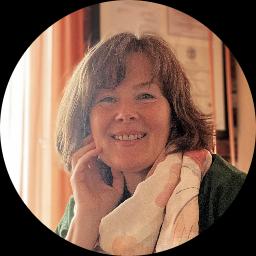
About Rusne
Rusne Fokiene is a BACP counsellor who helps people facing stress, anxiety, relationship strain, grief and low self-esteem. She supports those coping with life changes and guides people toward clearer choices and steadier day-to-day coping. Rusne draws on six years of practice, including four years in the voluntary sector.
She worked with people affected by substance misuse, depression, emotional trauma and grief, so she is familiar with how early life experiences can shape later feelings and patterns.
Background and approach
Her style is calm and experiential. She uses a blend of techniques that attend to thoughts, feelings and bodily sensations. Sessions are paced to what a person feels able to manage, with gentle invitations to notice physical reactions and inner experience.
Mindfulness practices and core process ideas are woven into sessions to help people slow down and build self-awareness. That awareness is then used to try new ways of responding to stress, relationship difficulties and long-term worries such as panic or persistent anxiety. Work is tailored to each person and reviewed regularly to keep it relevant.
Rusne offers short-term guidance or longer-term support depending on what someone needs. Sessions can take place in English or Lithuanian for people in the United Kingdom.
Therapeutic approaches and how online therapy works
Rusne uses mindfulness practices to help people become more aware of their breath, bodily sensations and recurring thoughts. This gentle attention can reduce the grip of anxiety and make strong feelings easier to tolerate.She also draws on core process psychotherapy ideas, which encourage slowing down and exploring how early experiences affect present patterns. That approach can help with attachment concerns, relationship difficulties and longstanding emotional habits.
Finding the right way of working is a collaborative process. The therapist and client review goals and try different techniques together to see what fits best for the person's needs and preferences.
Online sessions are offered by video calls, phone, live chat or text-based messaging to make therapy more flexible. Video calls are useful for a near face-to-face conversation; phone sessions can be helpful when bandwidth is limited or for quick check-ins. Live chat and messaging allow shorter, more frequent contact and can fit around busy days. These options help people access therapy from different locations and make it easier to keep appointments around work or caring commitments.
Questions people ask
What concerns does this counsellor usually help with?
How would sessions feel day to day?
What kind of professional background is there?
What credentials and location are listed?
Which languages are supported in sessions?
In what formats are sessions available?
How are fees and payments handled?
What are the first steps to begin working together?
What this therapist works with
Most often
- Stress, Anxiety
- Relationship issues
- Grief
Also listed
- Experience
- 6 years
- Licensed
- Languages
- English, Lithuanian
We will earn a commission if you sign up through our link, at no cost to you.