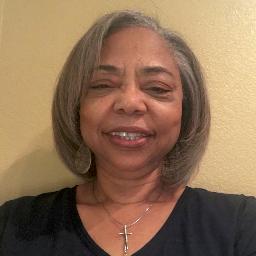
About Rosemary
Rosemary McFadden is a licensed marriage and family therapist with 23 years of clinical experience. She helps people who are struggling with stress, anxiety, depression, grief, relationship concerns, and parenting challenges. Her approach is calm and straightforward, focusing on practical steps people can use day to day.
Rosemary believes each person knows their story best. She looks for strengths clients already have and builds from there. Sessions aim to identify manageable changes, try new ways of responding, and reduce patterns that feed worry or sadness.
Background and approach
She often uses techniques from cognitive behavioral therapy to help people notice unhelpful thoughts and test different behaviors. That work is paired with supportive conversation so people feel heard while they try things that can shift how they feel. Rosemary also addresses issues like abandonment, communication problems, control struggles, guilt and shame, and isolation.
She helps people clarify life purpose, work-related stress, and concerns that commonly affect women. Her style is practical, patient, and focused on small steps that make daily life easier. Clients can expect a collaborative process where goals are clear and progress is reviewed.
Rosemary encourages people to move at a pace that feels doable, while providing encouragement and straightforward tools for coping and change.
How CBT and online sessions can help with worry and stress
Rosemary practices cognitive behavioral therapy in a straightforward way, helping people spot patterns of thinking that increase anxiety and test alternative responses. CBT techniques often include tracking thoughts, trying small behavioral experiments, and building routines that reduce stress and improve mood.Her work is collaborative - she helps clients figure out which methods fit their goals and preferences. Together they choose strategies to try and review what worked, adjusting plans as needed so therapy stays relevant to real life.
Online therapy offers several practical benefits for this kind of work. Video calls allow face-to-face conversation and screen sharing for worksheets or thought records. Phone sessions can be a good option when a video call isn't possible or when someone prefers not to be on camera. Live chat and text-based messaging are useful for short check-ins, skill reminders, or when a brief update fits a busy day. These options add flexibility and make it easier to keep consistent momentum while working on anxiety, stress, relationships, and daily coping skills.
Questions people ask
What concerns does Rosemary commonly address?
What is her therapeutic style like?
How much experience does she have?
What credentials and location should I know about?
Which languages are sessions offered in?
What session formats are available?
How are fees and payment handled?
How do I begin working with her?
What this therapist works with
Most often
- Stress, Anxiety
- Relationship issues
- Grief
Also listed
Therapeutic approaches
- Experience
- 23 years
- Licensed
- California
- Languages
- English
We will earn a commission if you sign up through our link, at no cost to you.