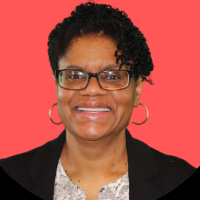
About Rochelle
Rochelle McGhee is a Licensed Clinical Professional Counselor who focuses on helping people manage stress, anxiety, and mood challenges. She speaks plainly and offers a steady, patient presence to help clients feel heard. Rochelle aims to help people build practical skills they can use day to day.
She has 18 years of counseling experience and practices in Illinois. Her work often addresses depression, bipolar mood concerns, panic attacks, grief, trauma and abuse, and struggles with self-esteem and social anxiety.
Background and approach
Rochelle also helps people facing relationship strain, parenting pressures, career stress, and life transitions. Rochelle uses a mix of therapy methods that fit each person’s needs. Dialectical Behavior Therapy, which grew from cognitive behavioral ideas, is a central influence in her work.
She emphasizes mindfulness skills, emotional regulation tools, and strategies for handling difficult interactions. Her sessions combine structured skills practice with goal-focused conversations. She also draws on Cognitive Behavioral Therapy, Motivational Interviewing, and Solution-Focused Therapy to tailor interventions.
The result is practical steps people can try between sessions to reduce distress and improve daily functioning. Rochelle aims to partner with clients so they can make steady progress. She maintains a respectful, collaborative stance and prioritizes clear communication about goals and next steps.
Her schedule includes morning and afternoon live sessions three days per week, and she checks messages during workdays to respond promptly.
Approaches that guide online sessions
Rochelle commonly uses Dialectical Behavior Therapy and Cognitive Behavioral Therapy in her online work. Dialectical Behavior Therapy focuses on building mindfulness, emotion regulation, and interpersonal skills to reduce intense distress and improve relationships. Cognitive Behavioral Therapy helps people identify and change unhelpful thinking patterns and develop practical coping steps for anxiety, panic, and mood symptoms.She may also use Motivational Interviewing and Solution-Focused techniques when a client wants to clarify goals or take small, achievable steps. Finding the right mix of methods is a collaborative process. The therapist and client discuss goals, try approaches, and adjust plans together to find what fits best for each person’s needs and preferences.
Online sessions are offered as video calls, phone sessions, live chat, or text-based messaging to make therapy more flexible. Video calls work well for deeper conversations and skills practice. Phone sessions can be simpler when bandwidth or camera use is an issue. Live chat or text-based messaging can fit quick check-ins, brief coaching, or people who prefer typing to speaking. These options let clients fit therapy into busy days and keep continuity when schedules change.
Questions people ask
What kinds of concerns can be addressed in sessions?
What is the general therapy style?
How much clinical experience does she have?
What credentials and location are listed?
Are sessions offered in other languages or to international clients?
Which session formats are available?
How does payment and cost work?
What are the first steps to begin therapy?
What this therapist works with
Most often
- Stress, Anxiety
- Self esteem
- Bipolar disorder
Also listed
- Anger management
- Career difficulties
- Communication problems
- Coping with life changes
- Depression
- Eating disorders
- Emptiness
- Family conflicts
- Forgiveness
- Grief
- Guilt and shame
- Isolation / loneliness
- Mood disorders
- Panic disorder and panic attacks
- Parenting issues
- Relationship issues
- Self-love
- Social anxiety and phobia
- Trauma and abuse
Therapeutic approaches
- Experience
- 18 years
- Licensed
- Illinois
- Languages
- English
We will earn a commission if you sign up through our link, at no cost to you.