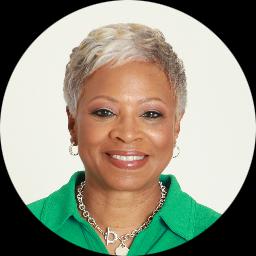
About Robin
Robin Johnson is a licensed clinician with three decades of experience helping people who feel overwhelmed by stress and anxiety. She offers calm, practical support for everyday struggles. Her approach is straightforward and warm, aimed at helping people find manageable steps forward.
She uses conversation to identify what matters most to each person. Sessions focus on building coping skills, improving communication, and untangling feelings like guilt, shame, or anger. She also addresses depression, relationship strain, grief, parenting stress, and life changes in clear, concrete ways.
Background and approach
Robin combines a client-centered stance with techniques from cognitive behavioral therapy and solution-focused work. That means she listens first, then helps people test new ways of thinking and behaving. She also uses motivational interviewing to support change when someone feels stuck.
Her background includes long experience across clinical settings and work with diverse communities. She holds an MD and is licensed as an LCSW-C and LCSW in Virginia. Those credentials reflect her clinical training and practice history.
Sessions usually focus on practical goals. People leave with tools to manage anxiety, handle workplace problems, address blended family or caregiver stress, and improve communication. Robin aims to make therapy useful and doable for busy lives.
Approaches that fit real life and online care
Robin often blends client-centered work with cognitive behavioral techniques. Client-centered work means she focuses on what matters to the person and follows their lead, creating space to talk and be heard. Cognitive behavioral techniques look at unhelpful thoughts and small, testable behaviors to reduce anxiety and improve mood.She also uses solution-focused methods to set clear, short-term goals and find practical steps that can be tried between sessions. These approaches help with stress, relationship communication, caregiver concerns, and coping with life transitions. Choosing the right mix of approaches is a collaborative process. The therapist will talk with each person about goals, preferences, and what has or hasn't worked before, then adjust methods over time based on feedback.
Online therapy offers flexibility for different schedules and needs. Video calls allow face-to-face conversation when visual cues matter. Phone sessions are useful when bandwidth is limited or a simpler check-in is needed. Live chat and text-based messaging can fit quick questions, brief coaching, or notes between longer sessions. These options make it easier to keep therapy consistent while fitting it into a busy life.
Questions people ask
What kinds of concerns can be addressed?
What is the general therapy style?
How much clinical experience does this therapist have?
What credentials and location apply to this therapist?
Which languages and international options are available?
What session formats are offered?
How are costs handled for sessions?
How do I begin working with this therapist?
What this therapist works with
Most often
- Stress, Anxiety
- Relationship issues
- Self esteem
Also listed
- Anger management
- Blended family issues
- Caregiver issues and stress
- Communication problems
- Coping with life changes
- Depression
- Divorce and separation
- Family conflicts
- Family problems
- Grief
- Guilt and shame
- Jealousy
- Life purpose
- Money and financial issues
- Mood disorders
- Multicultural concerns
- Parenting issues
- Prejudice and discrimination
- Women's issues
- Workplace issues
Therapeutic approaches
- Experience
- 30 years
- Licensed
- Virginia, Maryland
- Languages
- English
We will earn a commission if you sign up through our link, at no cost to you.