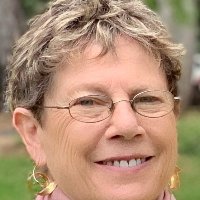
About Patricia
Patricia Lehr is a licensed clinical social worker with four decades of experience. She practises in California and brings long experience helping people facing stress, anxiety, grief, and major life changes. Her work emphasizes clear, practical support rather than jargon.
She learned counseling skills through graduate study in social work and education. Over the years she has helped people in independent practice, schools, juvenile courts, and community health settings. That range means she is used to different life situations and communication styles.
Background and approach
Patricia uses a collaborative style. Sessions begin where the person is now. She listens, helps sort priorities, and builds on each person's strengths.
The focus is on practical steps that can reduce day-to-day stress and improve relationships and self-esteem. Her approach adapts to age and circumstance. She has worked with parents on child-related concerns and with older adults facing loneliness and depression.
She also supports people dealing with workplace pressures, caregiver strain, blended family transitions, and the emotional aftermath of loss or separation. Therapy includes skill-building and short-term strategies alongside deeper reflection. Clients learn tools to manage anger, improve communication, and cope with change.
The goal is clearer thinking and more manageable days. Patricia values warmth and patience in sessions. She aims to make talks about hard topics feel manageable.
The emphasis is on steady progress and practical gains that fit everyday life.
Approaches that guide online sessions
Client-Centered Therapy focuses on listening and reflecting what matters to the client. It aims to help people feel understood and to draw out their own goals and resources, which is useful for anxiety, self-esteem, and relationship concerns.Motivational Interviewing is a collaborative way to explore change. It helps people resolve mixed feelings about steps such as career shifts, caregiving choices, or healthier habits by highlighting personal reasons for change and small first steps.
Finding the right approach is part of the work together. The therapist will discuss goals, try strategies, and adjust methods based on what helps most. Clients take an active role in deciding which techniques fit their needs and preferences.
Online sessions make it easier to fit therapy into a busy life. Video calls allow face-to-face conversation for deeper connection. Phone sessions can be a simpler option when bandwidth is limited or a shorter check-in is needed. Live chat and text-based messaging support people who prefer written exchanges or need flexible, on-the-go check-ins. These formats aim to make consistent work on anxiety, stress, and life transitions more manageable.
Questions people ask
What kinds of concerns can I bring to sessions?
How would you describe her therapeutic style?
What is her professional background?
What credentials and region are associated with this therapist?
Are sessions offered in other languages or internationally?
Which session formats are available online?
How is cost handled for sessions?
What are the steps to begin working together?
What this therapist works with
Most often
- Parenting issues
- Anger management
- Self esteem
Also listed
- ADHD
- Aging and geriatric issues
- Blended family issues
- Career difficulties
- Caregiver issues and stress
- Communication problems
- Compassion fatigue
- Control issues
- Coping with life changes
- Coping with natural or human-caused disaster
- Depression
- Divorce and separation
- Family conflicts
- Family of origin issues
- Grief
- Relationship issues
- Stress, Anxiety
- Women's issues
- Workplace issues
Therapeutic approaches
- Experience
- 40 years
- Licensed
- California
- Languages
- English
We will earn a commission if you sign up through our link, at no cost to you.