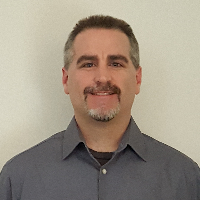
About Patrick
Patrick Currie is a Licensed Professional Counselor (LPC) practicing in Pennsylvania. He brings two decades of experience helping people manage anxiety, stress, addictions, and life transitions. He uses straightforward, practical methods to help clients build skills and move forward.
He learned early on how powerful the mind can be for health and recovery while studying psychology at Widener University. Later work on an inpatient adolescent psychiatric unit inspired him to pursue a Master’s degree in Counseling Psychology from Temple University.
Background and approach
Those experiences shaped his focus on trauma, abuse, and relapse prevention. Patrick has worked in clinical, educational, and correctional settings. He has provided individual counseling, led workshops on stress management, and run group programs for anger management and substance use relapse prevention.
He has continued this work in outpatient therapy addressing anxiety, depression, grief, career concerns, and relationship issues. In sessions he emphasizes awareness, acceptance, and practical action. He draws on cognitive behavioral ideas, mindfulness, and positive psychology to teach concrete skills.
The goal is to identify strengths, build resilience, and help people take steps toward the life they want. He pays attention to cultural and identity factors and aims to understand each person’s perspective. Patrick’s approach is supportive and encouraging, focusing on skill building and steady progress rather than quick fixes.
How cognitive and mindful methods work online
Acceptance and Commitment Therapy (ACT) focuses on noticing thoughts and values, then taking actions that match what matters most. Online ACT can help with anxiety, stress, and life-direction decisions by teaching simple exercises to use between sessions.Cognitive Behavioral Therapy (CBT) breaks problems into thoughts, feelings, and behaviors and teaches step-by-step skills to change unhelpful patterns. CBT works well for anxiety, depression, and coping with stressful life events, and homework exercises transfer easily to video or text-based formats.
Finding the right approach is part of the process. The therapist will work collaboratively to match methods to the client's goals and preferences. Sessions begin with practical problem identification and then adapt the mix of ACT, CBT, and mindfulness exercises over time.
Online sessions are offered as video calls, phone sessions, live chat, or text-based messaging to fit busy schedules. Video is useful for deeper skill practice and face-to-face conversation. Phone sessions can be easier when bandwidth is limited or a shorter check-in is needed. Live chat and text are good for brief updates, rapid problem-solving, or ongoing coaching between longer appointments.
Questions people ask
What concerns does Patrick commonly address?
What is his therapeutic style like?
How much experience does he bring?
What credentials and location apply to this practice?
Which languages and international options are available?
Which session formats does he offer online?
How does pricing work for sessions?
How do I get started with therapy?
What this therapist works with
Most often
- Stress, Anxiety
- Addictions
- Career difficulties
Also listed
- Anger management
- Bipolar disorder
- Coaching
- Coping with life changes
- Depression
- Family of origin issues
- Grief
- LGBT
- Life purpose
- Midlife crisis
- Money and financial issues
- Multicultural concerns
- Relationship issues
- Self esteem
- Trauma and abuse
- Young adult issues
Therapeutic approaches
- Experience
- 20 years
- Licensed
- Pennsylvania
- Languages
- English
We will earn a commission if you sign up through our link, at no cost to you.