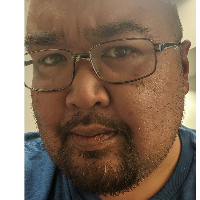
About Pat
Pat (Patrick) Granada is a Licensed Clinical Social Worker (LCSW) practicing in Illinois. He brings four years of experience working directly with people facing stress, anxiety, mood challenges, and life transitions. Pat aims to make conversations feel comfortable and straightforward so clients can talk about what matters most.
He uses plain, practical methods to help people manage panic, depression, sleep problems, and relationship strain. Sessions focus on small steps that build better day-to-day coping.
Background and approach
Pat also supports those dealing with grief, trauma and abuse, addiction concerns, and issues around self-esteem and identity. Pat draws on client-centered work to create a warm, nonjudgmental space where the person sets the pace. He also uses Cognitive Behavioral Therapy to spot and change unhelpful thinking and Motivational Interviewing to help people find their own reasons to change.
These approaches are used together to match each person’s goals. Pat has experience across many care settings earlier in his career and emphasizes helping people discover practical strategies they can use between sessions. He pays attention to attachment concerns, caregiver stress, and communication problems when these come up in therapy.
People who want direct, conversational support for anxiety, work stress, or major life changes may find his style helpful. Pat works with clients on goal-setting, coping skills, and clearer communication to support lasting changes.
How these approaches work online
Client-Centered Therapy focuses on listening and meeting each person where they are. The therapist creates space for people to describe their worries and goals, which helps build trust and clarifies what to work on. Cognitive Behavioral Therapy, or CBT, looks at the link between thoughts, feelings, and behavior and teaches concrete skills to reduce panic, worry, and low mood. Motivational Interviewing helps people find their own reasons to change and can be useful when someone feels stuck or unsure about next steps.Deciding which approach to use is a team effort. The therapist will talk with clients about goals and preferences and try methods that fit those aims. Sessions can shift over time as needs change, and Pat will check in to make sure the plan stays practical and relevant.
Online formats include video calls, phone sessions, live chat, and text-based messaging. Video is good for face-to-face conversation and working through exercises together. Phone sessions suit people who prefer not to be on camera or who have limited bandwidth. Live chat and text messaging work well for shorter check-ins, quick skill practice, or when someone needs flexible ways to connect during a busy day. These options make it easier to fit therapy into work, caregiving, or travel schedules.
Questions people ask
What concerns does Pat commonly address?
What is his general therapy style?
What professional background informs his work?
Where is he licensed and based?
Which languages are sessions offered in?
Can people outside the United States work with him?
What session formats are available?
How do I begin working with him and what are costs like?
What this therapist works with
Most often
- Stress, Anxiety
- Relationship issues
- Family conflicts
Also listed
- Addictions
- Anger management
- Attachment issues
- Bipolar disorder
- Career difficulties
- Caregiver issues and stress
- Coaching
- Communication problems
- Compassion fatigue
- Control issues
- Coping with life changes
- Depression
- Grief
- Guilt and shame
- Intimacy-related issues
- LGBT
- Life purpose
- Mood disorders
- Panic disorder and panic attacks
- Self esteem
- Self-love
- Sleeping disorders
- Social anxiety and phobia
- Trauma and abuse
Therapeutic approaches
- Experience
- 4 years
- Licensed
- Illinois
- Languages
- English
We will earn a commission if you sign up through our link, at no cost to you.