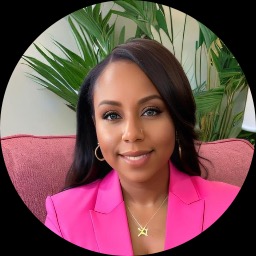
About Pamela
Pamela Clarke is a licensed clinical mental health counselor who helps people facing stress, anxiety, relationship strain, and anger. She focuses on practical steps people can use right away. Pamela works in a straightforward, respectful way and encourages clients to build on their existing strengths.
She believes each person knows their own story and brings useful resources to therapy. Sessions focus on clear goals and real-world change rather than long lists of jargon.
Background and approach
Pamela emphasizes small, steady steps that add up over time. Her approach draws on several evidence-informed methods, including client-centered work, cognitive behavioral techniques, and skills from dialectical behavior therapy. She also uses motivational interviewing to help people find their reasons for change and solution-focused ideas to set short-term targets.
Pamela has four years of professional experience and holds the LCMHC credential, licensed in North Carolina. She supports people dealing with panic attacks, control issues, low self-esteem, and questions about life purpose. The work may include learning new ways to talk about needs, practicing emotion regulation skills, and building self-love.
Sessions are offered in English and Pamela is available to work with international clients. She aims to create a calm, practical space where people can try new strategies, track progress, and adjust what isn’t helping.
Therapeutic approaches and how they work online
Client-centered therapy focuses on listening and reflecting back what matters to you so you feel heard and understood. This approach helps when someone needs a nonjudgmental space to talk through worries and clarify priorities. Cognitive Behavioral Therapy, or CBT, looks at the links between thoughts, feelings, and behaviors and teaches practical tools to reduce anxiety and manage panic attacks. CBT often includes small practice tasks between sessions to test new ways of thinking. Dialectical Behavior Therapy, or DBT, offers concrete skills for managing strong emotions and improving interpersonal effectiveness, which can help with anger and relationship conflicts.Finding the right mix of approaches is part of the work. The therapist will collaborate with each person to choose methods that match their goals, needs, and preferences. That can mean starting with skills training, shifting to more problem-solving, or combining listening with specific behavioral techniques as progress unfolds.
Online sessions make it easier to fit therapy into a busy life. Video calls let people use face-to-face time for skill practice and deep conversations. Phone sessions are useful when bandwidth is limited or when someone prefers not to be on camera. Live chat and text-based messaging support brief check-ins, sharing small wins, and staying connected between longer sessions. These options give flexibility to keep working on anxiety, stress, and relationship concerns without a long commute.
Questions people ask
What concerns does Pamela commonly address?
What is her style in sessions?
What is her professional background?
What credential does she hold and where does she practice?
Which languages are supported and can international clients connect?
What session formats are available?
How does payment and cost work?
How do I begin working with her?
What this therapist works with
Most often
- Stress, Anxiety
- Relationship issues
- Family conflicts
Also listed
Therapeutic approaches
- Experience
- 4 years
- Licensed
- North Carolina
- Languages
- English
We will earn a commission if you sign up through our link, at no cost to you.