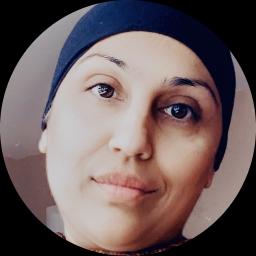
About Naghma
Naghma Ferdos uses a practical, person-focused approach to help people manage anxiety and stress. She works with straightforward tools to make daily life feel more manageable. Her early goal is to identify small, doable steps that lead to steadier mood and clearer thinking.
She brings ten years of experience in mental health settings across the United Kingdom. That time includes work with NHS services and other organisations offering front-line support.
Background and approach
Those roles exposed her to a wide range of concerns including relationship strain, trauma and abuse, grief, parenting challenges and the emotional impact of serious illness such as cancer. Naghma draws on client-centred counselling and Cognitive Behavioural Therapy to shape practical conversations. She also uses mindfulness and solution-focused techniques so sessions can be tailored to what each person needs.
Sessions tend to focus on changing unhelpful thinking, building coping skills and identifying achievable steps forward. Her style is warm and down-to-earth. She encourages people to use their existing strengths while practising new ways of coping.
Naghma emphasises small changes and simple routines that add up over time. Sessions are available online in English and are open to people in different countries. The process begins with a short matching questionnaire and then scheduling a first appointment according to the therapist's availability.
How therapeutic approaches translate to online care
Client-Centred Therapy focuses on listening and following the person's lead. The counsellor offers a calm, accepting space so people can talk about what matters to them and notice their own strengths. Cognitive Behavioural Therapy is practical and problem-focused; it looks at how thoughts influence feelings and behaviour and helps people try new ways of thinking and acting to reduce anxiety and stress.Choosing the right approach is part of the work. The therapist will discuss goals and preferences in early sessions and recommend techniques that fit those aims. Together they will review progress and adjust methods if something is not helping, so the plan evolves with the client's needs.
Online sessions are offered by video calls, phone sessions, live chat or text-based messaging, giving flexible options for different circumstances. Video calls let people use face-to-face conversation when that feels helpful. Phone sessions are useful when lower bandwidth or just a quick check-in is needed. Live chat and messaging can be a good fit for short updates or when writing feels easier than speaking. These formats make it simpler to fit counselling around work, family and other commitments while using the approaches described above.
Questions people ask
What kinds of problems does this counsellor help with?
What is the approach in sessions like?
How much experience does the counsellor have?
What credentials and location are noted for this therapist?
Which languages are supported in sessions?
What formats are available for appointments?
How does payment and cost work?
How do I begin working with this counsellor?
What this therapist works with
Most often
- Stress, Anxiety
- Relationship issues
- Trauma and abuse
Also listed
Therapeutic approaches
- Experience
- 10 years
- Licensed
- Languages
- English
We will earn a commission if you sign up through our link, at no cost to you.