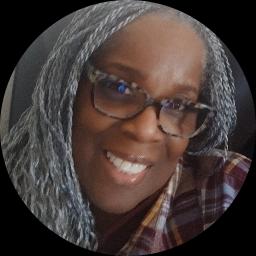
About Mironda
Mironda Womack, LCSW, focuses on helping people manage anxiety, stress, and life changes. She aims to build a respectful, trusting rapport so people feel heard and understood. Sessions are practical and goal-oriented, with attention to each person’s values and daily life.
She has eight years of clinical experience and a Master’s degree earned in 2013. Her work has included both individual and group settings. Mironda emphasizes treating people with dignity and respect while working toward clear goals.
Background and approach
Mironda commonly uses Cognitive Behavioral Therapy and Solution-Focused Therapy to help people change patterns that keep problems going. She also draws on Motivational Interviewing when people want help finding motivation to make different choices. In sessions she listens first, then offers tools that match a person’s needs.
Her approach balances support and practical steps. That might look like testing small changes between sessions, practicing new ways to respond to stress, or setting simple goals that fit daily routines. She explains techniques in plain language and checks in about what works.
Mironda practices in Texas and holds LCSW credentials in Texas and Virginia. She is continuing academic work toward a Ph.D. in social work with a focus on crisis and disaster intervention. People who choose her often want a therapist who combines compassion with straightforward, workable strategies.
How her approaches work online and what to expect
Mironda commonly uses Cognitive Behavioral Therapy and Motivational Interviewing to help people make specific changes. CBT looks at thoughts and behaviors that contribute to anxiety or depression and teaches practical skills to shift those patterns. Motivational Interviewing focuses on what matters to the person and helps strengthen their own reasons for change.Finding the right approach is part of the work together. She will listen to your goals and try methods that match your preferences and needs. This is a collaborative process and adjustments are made along the way based on what helps you make progress.
Online sessions are offered by video call, phone, live chat, or text-based messaging to fit different lifestyles. Video calls allow face-to-face interaction for skill practice and deeper conversation. Phone sessions can be easier when bandwidth or screen time is limited. Live chat and text messaging work well for brief check-ins, progress notes, and when shorter, more frequent contact is helpful. These options make therapy more flexible and easier to fit into a busy week.
Questions people ask
What concerns does she commonly address?
What is her therapeutic style like?
How much experience does she have?
What credentials and location are listed?
Which languages are supported and can international clients join?
What session formats are available?
How does pricing work?
How do I begin working with her?
What this therapist works with
Most often
- Anger management
- Self esteem
- Coping with life changes
Also listed
- Addictions
- ADHD
- Bipolar disorder
- Career difficulties
- Compassion fatigue
- Depression
- Family conflicts
- Grief
- Intimacy-related issues
- Parenting issues
- Relationship issues
- Stress, Anxiety
Therapeutic approaches
- Experience
- 8 years
- Licensed
- Virginia, Texas
- Languages
- English
We will earn a commission if you sign up through our link, at no cost to you.