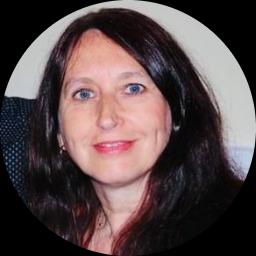
About Michelle
Michelle Preston works with people facing stress, anxiety and low mood. She offers calm, straightforward support for grief, self-esteem and coping with life changes. Michelle uses plain language and a warm manner to help people feel heard and understood.
She holds BACP, which means she is registered with the British Association for Counselling and Psychotherapy. Michelle has five years of clinical experience and draws on that work when planning sessions.
Background and approach
She keeps sessions focused on what each person wants to change and how to take small, practical steps. Her approach mixes talking therapy with skills that can be practised between sessions. Cognitive Behavioral Therapy helps notice and shift unhelpful thinking patterns.
Acceptance and Commitment Therapy supports people to act in line with their values while living with difficult feelings. Michelle also uses client-centred and attachment-based ideas to build trust and safety in conversation. Dialectical Behavior Therapy skills are offered when emotional regulation and distress tolerance are needed.
She adapts techniques to each person’s pace and preferences. Sessions are straightforward and down to earth. Michelle helps people set realistic goals, try out small changes, and review what works.
The focus is on practical tools and steady progress rather than quick fixes.
Therapeutic approaches and online support
Michelle commonly uses Acceptance and Commitment Therapy and Cognitive Behavioral Therapy in her online work. Acceptance and Commitment Therapy encourages people to notice painful thoughts and feelings and to focus on actions that match their values despite those experiences. It can help when anxiety or avoidance gets in the way of meaningful life choices. Cognitive Behavioral Therapy helps identify patterns of thinking that feed distress and teaches practical techniques to test and change those patterns.Michelle aims to find the right approach together. She will discuss goals, preferences and what feels helpful, then try methods that fit each person’s needs. That collaborative process means strategies can be adjusted as progress is reviewed.
Online sessions are offered by video calls, phone sessions, live chat or text-based messaging. Video can suit in-depth conversation and skills practice, while phone calls work well when bandwidth is limited or a quieter setup is needed. Live chat and messaging are useful for shorter check-ins, keeping momentum between sessions, or when written reflection feels easier. These options make it simpler to fit therapy around work, family and daily life.
Questions people ask
What issues does Michelle commonly help with?
What is her therapy style like?
How long has she been practising?
What credentials and region apply?
Which languages are supported?
What session formats are available?
How are fees arranged?
How do I begin therapy with her?
What this therapist works with
Most often
Also listed
- Abandonment
- Attachment issues
- Autism and Asperger Syndrome
- Codependency
- Communication problems
- Coping with life changes
- Depression
- Family conflicts
- Obsessions, compulsions, and OCD
- Relationship issues
- Social anxiety and phobia
- Trichotillomania
- Workplace issues
Therapeutic approaches
- Experience
- 5 years
- Licensed
- Languages
- English
We will earn a commission if you sign up through our link, at no cost to you.