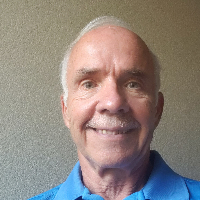
About Michael
Michael McWhirter, LMSW, brings 38 years of practice to people facing stress and anxiety. He focuses on helping individuals manage life changes, addiction, trauma, grief, and relationship concerns. Michael listens first and shapes the work to match what each person needs in the moment.
He uses straightforward conversation to identify practical steps clients can take. Sessions often include thought-focused exercises from cognitive behavioral therapy and mindfulness practices to reduce distress.
Background and approach
Emotionally-focused work helps people understand how emotions affect their relationships and choices. Michael has long experience with substance use support and group work, and he also addresses issues related to parenting, sleep, eating, career strain, and compassion fatigue. He works with people who have struggled with mood disorders, ADHD, and complex trauma.
Additional focus areas include first responder stress, infidelity, veteran and armed forces concerns, and personality disorder challenges. In therapy he aims to make change feel manageable. That means breaking problems into small steps and trying things that can be practiced between sessions.
He combines supportive listening with direct skills coaching so people can test new ways of coping. People who reach out will find a therapist who prefers clear goals and steady progress. Michael encourages honest talk about what’s working and what isn’t, and he adjusts methods as needs shift over time.
How his approaches fit into online therapy
Client-centered therapy focuses on listening and understanding each person's goals. In practice that means the therapist follows the client's lead, checks what matters most, and adjusts the pace and topics based on feedback.Cognitive behavioral therapy (CBT) looks at the link between thoughts, feelings, and behavior. Online CBT sessions often include simple exercises to try between meetings, like tracking thoughts or testing new behaviors, which can reduce anxiety and improve daily functioning.
Emotionally-focused therapy (EFT) helps people recognize and name strong emotions and see how those feelings shape relationships and reactions. Through guided conversation, clients can try new ways of responding and build more helpful emotional patterns.
Choosing an approach is a collaborative process. The therapist will work with the client to decide which methods fit their needs, goals, and preferences, and will change course if something isn’t working. That means plans may mix listening, skill practice, and emotion work over time.
Online therapy offers flexibility with video calls, phone sessions, live chat, and text-based messaging. Video is useful for in-depth conversation and visual cues, phone calls can be lower-bandwidth or easier on the go, live chat works well for shorter check-ins, and text messaging helps maintain contact between meetings. These options make it easier to fit therapy into work, caregiving, or busy schedules while still focusing on progress.
Questions people ask
What concerns does he address?
How would you describe his therapeutic style?
What background does he bring to sessions?
Where is he based and what credential does he hold?
Can I work with him if I live outside the United States?
What session formats are available?
How does fee and billing work?
How do I begin working with him?
What this therapist works with
Most often
- Stress, Anxiety
- Addictions
- Family conflicts
Also listed
- ADHD
- Anger management
- Bipolar disorder
- Career difficulties
- Coaching
- Compassion fatigue
- Coping with life changes
- Depression
- Eating disorders
- First responder issues
- Grief
- Infidelity
- Intimacy-related issues
- LGBT
- Parenting issues
- Personality disorders
- Relationship issues
- Self esteem
- Sleeping disorders
- Trauma and abuse
- Veteran and Armed Forces Issues
Therapeutic approaches
- Experience
- 38 years
- Licensed
- Michigan
- Languages
- English
We will earn a commission if you sign up through our link, at no cost to you.