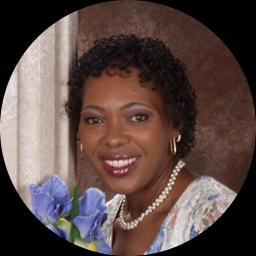
About Mia
Mia Hall is a licensed clinical social worker with 27 years of experience supporting people who are coping with stress, anxiety, relationship strain, family conflict, and depression. She focuses on practical steps that help someone feel steadier in day-to-day life. Mia aims to make the first step feel manageable and respectful of each person’s pace.
In sessions she encourages honest talk about thoughts and feelings. She makes room for uncomfortable topics without judgment.
Background and approach
The work often includes learning new ways to respond to worry and to manage panic symptoms when they arise. Mia uses methods that help people notice what matters to them and then take small, achievable steps toward those values. She also uses tools that examine unhelpful thinking patterns and teach concrete skills for coping.
Mindfulness practices are introduced to help with grounding and staying present during stressful moments. Her approach is collaborative and goal-focused. She and the person set clear steps and review progress along the way.
This practical style helps people handle life changes like separation, shifting family roles, or decisions about forgiveness. Mia works with concerns such as communication problems, control issues, guilt and shame, isolation, and questions about life purpose. She also supports people experiencing social anxiety, panic attacks, and the emotional aftermath of divorce.
Sessions are offered from Florida and conducted in English.
Approaches that translate to online therapy
Acceptance and Commitment Therapy, or ACT, helps people clarify what matters most to them and take small actions in that direction. Online sessions can include simple exercises that help reduce avoidance and build a more meaningful routine. Cognitive Behavioral Therapy, or CBT, focuses on identifying unhelpful thoughts and practicing new responses. In remote sessions this often means reviewing thought patterns, trying brief behavior experiments between meetings, and tracking progress with worksheets.Finding the right approach is part of the work. The therapist will collaborate with each person to choose methods that match their goals, needs, and preferences. Together they will try strategies, review what helps, and adjust the plan as progress is made.
Online formats include video calls, phone sessions, live chat, and text-based messaging. Video calls are useful for deeper conversation and skill practice. Phone sessions can be easier when bandwidth is limited or a shorter check-in is needed. Live chat and text messaging make it possible to share quick updates, get brief support, or work through exercises between longer sessions. These options aim to increase flexibility so therapy can fit into busy days.
Questions people ask
What kinds of problems does she help with?
What is her general therapy style?
How much clinical experience does she have?
What are her credentials and where is she based?
Which languages are sessions offered in?
Can people outside the U.S. work with her?
What session formats are available?
How do I begin and what does it cost?
What this therapist works with
Most often
- Stress, Anxiety
- Relationship issues
- Family conflicts
Also listed
Therapeutic approaches
- Experience
- 27 years
- Licensed
- Florida
- Languages
- English
We will earn a commission if you sign up through our link, at no cost to you.