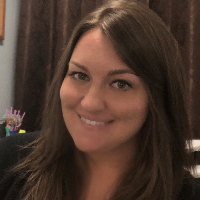
About Megan
Megan Balcarczyk is a Licensed Mental Health Counselor (LMHC) based in New York who focuses on helping people manage stress and anxiety. She takes a straightforward and caring approach, asking clients to be honest about what’s working and what isn’t. She aims to help people gain tools they can use outside of sessions to feel more in control of daily life.
Megan has six years of counseling experience. She has worked with people facing depression, bipolar concerns, substance use, trauma and psychotic disorders.
Background and approach
That background informs how she notices patterns and offers practical steps during sessions. Her style blends warmth with clear feedback. She encourages clients to take ownership of therapy and to advocate for their needs.
She values mutual respect and treats mistakes as part of being human rather than reasons for judgment. Megan uses client-centered ideas to follow each person’s pace and priorities. She also draws on motivational interviewing to help people find their own reasons for change.
Solution-focused techniques are used to set small, actionable goals and track progress over time. In sessions she often combines talking, psycho-education, and skill practice. The goal is to help people understand where struggles began and then build steps forward.
She invites clients to be active partners in that process and to speak up when adjustments are needed.
Approaches that guide online sessions
Megan uses client-centered work to follow each person’s priorities and pace, focusing on what the client finds most important and responding with empathy and support. Motivational interviewing is used to help people clarify their own reasons for change and to build commitment one step at a time. Solution-focused therapy helps set small, practical goals and track progress between sessions so change feels manageable.Choosing an approach is part of the therapeutic process. Megan will talk with each person about their needs, goals, and preferences and then adapt methods collaboratively. She invites feedback and changes the plan if something isn’t working, so sessions stay useful and relevant.
Online therapy formats include video calls, phone sessions, live chat, and text-based messaging. Video calls allow fuller face-to-face conversations while phone sessions can fit a break at work or use less bandwidth. Live chat and messaging work well for quick check-ins, shorter coaching-style exchanges, or when someone prefers writing. These options make it easier to fit therapy into busy schedules and daily life.
Questions people ask
What concerns does she help people with?
What is her therapeutic style like?
What experience does she bring?
What are her credentials and where is she located?
Which languages are supported for sessions?
Can she work with people outside the United States?
What session formats are available?
How are costs handled and how do I begin?
What this therapist works with
Most often
- Stress, Anxiety
- Self esteem
- Bipolar disorder
Also listed
- Addictions
- Anger management
- Career difficulties
- Compassion fatigue
- Coping with life changes
- Depression
- Family conflicts
- Grief
- Intimacy-related issues
- LGBT
- Parenting issues
- Relationship issues
- Sleeping disorders
- Trauma and abuse
Therapeutic approaches
- Experience
- 6 years
- Licensed
- New York
- Languages
- English
We will earn a commission if you sign up through our link, at no cost to you.