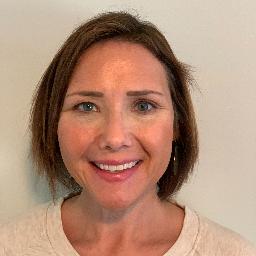
About Martha
Martha Gillen is a licensed clinical mental health counselor (LCMHC) in North Carolina with 17 years of experience. She has worked as a counselor and supervisor and supports people facing anxiety, depression, substance use, and life transitions. She uses straightforward, practical techniques during sessions.
Conversations focus on what is happening now and on small, doable steps forward. Clients can expect a balance of goal-setting and skill practice rather than long, abstract talk.
Background and approach
Martha blends cognitive-behavioral methods with motivational interviewing and solution-focused ideas. That mix helps people change unhelpful thinking, boost motivation, and try simple strategies that make daily life easier. She adapts tools to each person’s goals and pace.
Sessions often center on coping with stress, managing anger, and reducing harmful substance use. Martha also supports people dealing with relationship strain, career pressure, self-esteem concerns, and compassion fatigue. The work aims to make problems feel more manageable week to week.
Her style is collaborative and direct. She listens, asks clear questions, and helps set realistic steps. People who want practical strategies and steady support tend to do well with her approach.
How Martha Uses Practical Approaches Online
CBT, or cognitive behavioral therapy, helps people notice unhelpful thoughts and try different actions to change how they feel. It is often used for anxiety, depression, and stress by breaking problems into steps and practicing new responses.Motivational interviewing is a short-term, conversational method that helps people find their own reasons to change. It can be useful for reducing drug or alcohol use and for building commitment to new habits.
Solution-focused therapy looks for strengths and past successes and uses them to set small, achievable goals. This approach is helpful when someone wants quick, concrete changes in daily life.
Deciding which approach to use is a collaborative process. The therapist will talk with the client about goals, preferences, and what has or has not helped before. Together they try methods that match the person's needs and adjust them over time.
Online sessions are offered as video calls, phone sessions, live chat, or text-based messaging to fit busy schedules. Video lets people work face to face, phone can be easier when bandwidth is limited, and chat or messaging can handle quick check-ins or ongoing notes between sessions. These options make it simpler to fit therapy into work, family, or recovery routines.
Questions people ask
What concerns does she address?
What is her therapeutic style like?
How much experience does she have?
What are her credentials and location?
Which languages are available for sessions?
Can people outside the United States work with her?
What session formats does she offer?
How do I start working with her and what does it cost?
What this therapist works with
Most often
- Addictions
- Anger management
- Coping with life changes
Also listed
- Career difficulties
- Compassion fatigue
- Depression
- Drug and alcohol addiction
- Family conflicts
- Relationship issues
- Self esteem
- Stress, Anxiety
Therapeutic approaches
- Experience
- 17 years
- Licensed
- North Carolina
- Languages
- English
We will earn a commission if you sign up through our link, at no cost to you.