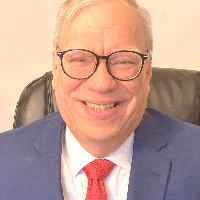
About Mark
Mark Laster is a Licensed Clinical Social Worker (LCSW-R) based in New York who draws on 12 years of experience to help people manage stress and anxiety. He takes a straightforward, solution-focused approach that aims to identify immediate concerns and find practical steps forward. Sessions are conversational and goal oriented, so people leave with tools they can try between meetings.
He uses Client-Centered Therapy to listen closely and shape sessions around each person’s priorities.
Background and approach
Cognitive Behavioral Therapy (CBT) provides concrete ways to notice and change unhelpful thoughts and behaviors. Solution-Focused Therapy keeps work oriented toward realistic, short-term goals and measurable progress. Mark has focused on mood-related concerns such as depression and bipolar symptoms, and on issues like grief, anger, and life transitions.
He also works with people facing career stress, caregiver strain, and challenges tied to aging or traumatic brain injury. His practice includes attention to multicultural concerns and men’s issues. In the first sessions he quickly assesses what matters most and partners with the person on next steps.
That may include skill-building exercises, reframing thoughts, or setting small, achievable goals. He explains recommendations plainly and checks in about how each approach is working. People who choose his style can expect practical strategies and brief interventions alongside listening and support.
The focus is on clear, manageable change rather than long lists of clinical jargon.
How his approaches work online
Client-Centered Therapy focuses on respectful listening and adapting sessions to what matters most to the person. Online sessions still prioritize the individual’s priorities and pacing, letting the therapist follow where the person wants to go. Cognitive Behavioral Therapy, or CBT, breaks problems into thoughts, feelings, and behaviors and teaches practical exercises to shift them. This approach is useful for anxiety, depression, and stress because it gives clear steps to practice between visits. Solution-Focused Therapy zeroes in on small, achievable goals and the changes someone wants to see soon rather than digging only into the past.Finding the right approach is part of the work. The therapist will discuss options and try methods that match the person’s needs, goals, and preferences. That collaborative planning can be revisited as progress is made or life changes occur.
Online formats include video calls, phone sessions, live chat, and text-based messaging. Video calls let the person keep visual connection and have a full session experience. Phone meetings can be easier when lower bandwidth or a quick check-in is needed. Live chat and text messages are useful for short updates, skill practice, or when typing feels more comfortable. These options provide flexibility for scheduling and fit different daily routines.
Questions people ask
What kinds of concerns does Mark address?
What is the general approach in sessions?
How much clinical experience does he have?
Where is he licensed and based?
Which languages are supported for sessions?
What session formats are offered?
How are fees and payment handled?
What are the first steps to begin therapy?
What this therapist works with
Most often
Also listed
- Aging and geriatric issues
- Anger management
- Bipolar disorder
- Career difficulties
- Caregiver issues and stress
- Coping with life changes
- Coping with natural or human-caused disaster
- Depression
- Family conflicts
- Hearing impaired
- Men's issues
- Midlife crisis
- Mood disorders
- Multicultural concerns
- Relationship issues
- Trauma and abuse
- Traumatic brain injury
Therapeutic approaches
- Experience
- 12 years
- Licensed
- New York
- Languages
- English
We will earn a commission if you sign up through our link, at no cost to you.