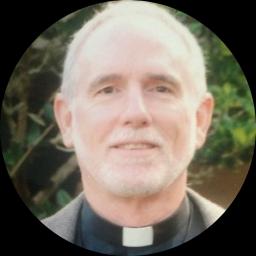
About Mark
Dr. Mark Gabel is a licensed clinical social worker with decades of experience in mental health care. He has practiced in a range of settings and brings a steady, patient approach to helping people manage stress and anxiety.
He aims to make the first steps toward change feel doable and supported. He served in a variety of clinical roles in New York State and Florida, including inpatient and outpatient psychiatric social work, hospice, long-term care, and community mental health.
Background and approach
He also teaches in higher education and currently serves as an adjunct faculty member in an online Bachelor of Social Work program. Dr. Gabel holds a Bachelor of Arts in Psychology, a master’s degree in social work, and a PhD in Human Services with a specialization in social and community services.
In sessions he focuses on the problems people bring first, such as panic attacks, social anxiety, grief, trauma, or feeling isolated. He aims to create an open space where thoughts and feelings can be shared without judgment. He encourages practical steps that fit into a person’s daily life.
He also supports people navigating identity and relationship concerns linked to LGBT issues, and he works with people facing abandonment or attachment wounds. Communication problems, forgiveness, and finding life purpose are additional areas he addresses. Dr.
Gabel draws on decades of front-line practice to guide conversations and plan next steps. He emphasizes collaboration and helps people identify manageable actions. He will match pace and goals to what each person needs.
Therapeutic approaches and online care
Two evidence-based approaches often used for anxiety and trauma are cognitive-behavioral techniques and exposure-based strategies. Cognitive-behavioral techniques focus on spotting unhelpful thoughts and trying practical ways to test and change them, which can reduce worry and panic symptoms. Exposure-based approaches involve gradual, planned steps to face feared situations or memories so they become less overwhelming over time.Finding the best approach is part of the work. The therapist will collaborate with each person to choose methods that match their goals, pace, and comfort level. That means adjusting strategies as progress is made and checking in about what feels useful.
Online sessions make it easier to fit therapy into busy lives. Video calls let people work face-to-face from different locations, phone sessions are useful when bandwidth or camera use is difficult, and live chat or text-based messaging can support shorter check-ins or ongoing reflection between sessions. These options help people maintain continuity of care and schedule appointments around work, caregiving, or travel.
Questions people ask
What kinds of concerns does he help with?
What is his style in therapy?
How long has he practiced?
What credential does he hold and where is he based?
Which languages are sessions offered in?
Are international clients accepted?
What session formats are available?
How are costs and getting started handled?
What this therapist works with
Most often
Also listed
- Experience
- 40 years
- Licensed
- Florida
- Languages
- English
We will earn a commission if you sign up through our link, at no cost to you.