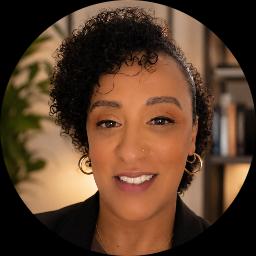
About Margret
Margret Ebrahim is a licensed clinical social worker who helps people manage stress, anxiety, depression, and problems with addiction. She focuses on practical support for everyday struggles like low self-esteem, life changes, and feeling isolated. Her work is aimed at clear steps people can use between sessions.
She uses a trauma-informed and culturally responsive stance to make space for each person's history and background. That means she pays attention to how past harm or cultural expectations shape current behavior.
Background and approach
Sessions include talking through situations, learning coping tools, and practicing new ways of relating to others. Margret emphasizes compassion and straightforward guidance. She helps people set small goals, improve communication, and rebuild a sense of purpose.
For someone dealing with guilt, shame, or impulsivity, she offers ways to notice patterns and choose different responses. She also supports people facing caregiver stress, codependency, or substance use concerns. Work can include planning for recovery, setting boundaries, and rebuilding daily routines.
Margret draws on seven years of clinical experience to tailor practical suggestions to each person's life. Her approach is collaborative and paced to what someone can manage. Sessions aim to leave people with concrete skills they can try between appointments.
Margret practices in California and conducts therapy in English.
Evidence-based approaches and online care
Margret draws from evidence-based therapeutic techniques that focus on practical change. One approach helps people identify unhelpful thinking and replace it with more balanced thoughts to reduce anxiety and low mood. Another approach concentrates on building concrete coping skills and routines to manage stress, cravings, and impulsive urges. These methods are useful for mood challenges, addiction recovery, and daily stress management.Finding the right approach is part of the work. She collaborates with each person to match methods to their goals and preferences, adjusting strategies as needs evolve. Clients and therapist decide together which tools to try and how fast to move.
Online formats include video calls, phone sessions, live chat, and text-based messaging to fit busy schedules. Video is useful for face-to-face conversation and role practice. Phone sessions can be easier when bandwidth is limited or a shorter check-in is needed. Chat and messaging let people share brief updates or get support between longer sessions. These options make it easier to fit therapy into work, caregiving, or recovery routines.
Questions people ask
What kinds of problems does Margret address?
How would you describe her therapy style?
How much clinical experience does she have?
Where is she licensed and practicing?
Can sessions be conducted in other languages?
Are international clients accepted?
What session formats are available?
How are fees and starting therapy handled?
What this therapist works with
Most often
Also listed
- Caregiver issues and stress
- Codependency
- Communication problems
- Control issues
- Coping with life changes
- Depression
- Drug and alcohol addiction
- Forgiveness
- Guilt and shame
- Impulsivity
- Isolation / loneliness
- Jealousy
- Life purpose
- Mood disorders
- Narcissism
- Personality disorders
- Post-traumatic stress
- Process addiction (porn, exercise, gambling)
- Self-harm
- Self-love
- Sexual assault and abuse
- Workplace issues
- Experience
- 7 years
- Licensed
- California
- Languages
- English
We will earn a commission if you sign up through our link, at no cost to you.