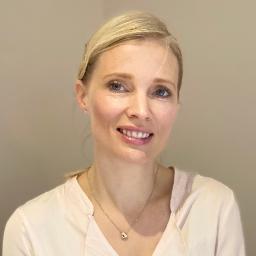
About Louise
Louise Phillipson is a counsellor who focuses on helping people cope with stress and anxiety. She draws on three years of professional experience in the United Kingdom and aims to offer a warm, non-judgemental space for difficult conversations. Louise writes plainly and listens closely to each person she works with.
Her approach centres on the relationship between counsellor and client. She prioritises respect for each person’s experience and encourages honest sharing of thoughts and feelings.
Background and approach
Sessions are intended to feel relatable and down to earth rather than clinical or formal. Louise has supported people facing relationship strain, family conflict, trauma and abuse, and issues around intimacy. She also works with concerns such as grief, addiction, eating and sleeping problems, anger, low self-esteem, ADHD, bipolar and depression, and career or life transition worries.
She offers practical conversations alongside emotional support. That can mean talking through coping strategies, spotting unhelpful patterns, or planning small steps to try between sessions. Louise aims to help people feel steadier and more able to handle day-to-day pressures.
Her practice also includes focus areas such as first responder issues and hospice or end-of-life counselling. People can expect clear, compassionate guidance and help making choices that fit their life and goals.
Approaches that suit online therapy and everyday life
Evidence-based therapeutic techniques are used to focus on practical change and emotional support. One approach involves helping people identify unhelpful thoughts and patterns and then testing new ways of thinking and behaving to reduce anxiety and low mood. This helps with everyday worries, persistent anxious thoughts and low self-esteem.Another common method focuses on coping skills and present-moment strategies such as grounding, breathing and routine planning. These techniques are aimed at reducing stress symptoms, improving sleep and managing sudden strong emotions. Both approaches are straightforward to use in remote sessions and can be practised between meetings.
Finding the right combination of techniques is part of the work. The therapist will collaborate with each person to choose methods that match their needs, goals and preferences. That may change over time as progress is made and new priorities emerge.
Online sessions are offered by video call, phone, live chat or text messaging to give flexibility. Video calls allow face-to-face conversation, phone sessions work well when bandwidth is limited, live chat suits shorter check-ins, and messaging lets people reflect between meetings. This range makes it easier to fit therapy around work, caring responsibilities and travel.
Questions people ask
What kinds of problems does she help with?
What is her therapeutic style like?
How much experience does she have?
What credential does she hold and where is she based?
Can I work with her if I live outside the UK?
Which formats are available for sessions?
How are costs and payment handled?
What do I need to do to start therapy?
What this therapist works with
Most often
- Stress, Anxiety
- Relationship issues
- Family conflicts
Also listed
- Addictions
- ADHD
- Anger management
- Bipolar disorder
- Career difficulties
- Coaching
- Compassion fatigue
- Coping with life changes
- Depression
- Eating disorders
- First responder issues
- Grief
- Hospice and end-of-life counseling
- Intimacy-related issues
- LGBT
- Parenting issues
- Self esteem
- Sleeping disorders
- Trauma and abuse
- Experience
- 3 years
- Licensed
- Languages
- English
We will earn a commission if you sign up through our link, at no cost to you.