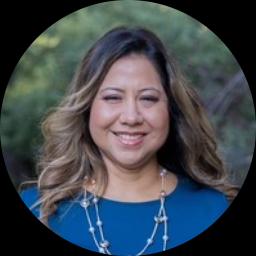
About Linda
Linda Alcala is a licensed marriage and family therapist (LMFT) based in California with ten years of practice. She focuses on anxiety, stress, trauma and abuse, relationship concerns, parenting strain, and depression. She speaks English and Spanish and offers sessions by video, phone, live chat, or text messaging.
Her approach centers on building a steady, supportive relationship. She helps people notice patterns, identify triggers, and increase self-awareness. Work in sessions also focuses on practical coping skills people can use day to day.
Background and approach
Therapy is tailored to each person's needs rather than using a single method for everyone. Linda adapts evidence-based therapeutic techniques to match the issue and the person’s goals. She emphasizes collaboration and clear, achievable steps in treatment.
Clients can expect help with emotional symptoms and life adjustments such as panic attacks, mood shifts, postpartum struggles, caregiving stress, chronic illness, and problems with attachment or codependency. She also addresses concerns related to body image, isolation, grief around illness, and communication breakdowns. Sessions are offered in English and Spanish and take place online by several formats.
Getting started requires completing a short matching questionnaire and scheduling a time that fits the client’s availability. The practice uses a subscription model that can be canceled at any time.
Evidence-based approaches and online care
Many of the techniques used are evidence-based and focus on practical change. One common approach helps people track thoughts and behaviors to reduce anxiety and panic. It teaches specific skills to notice unhelpful thinking and try different responses to lower distress.Another approach focuses on building safer attachment and improving relationships. This work looks at patterns in close connections, communication habits, and ways to set clearer boundaries. It is useful for people dealing with abandonment, codependency, or repeated conflict.
Finding the right approach is a collaborative process. The therapist will discuss goals and try methods that fit the person’s needs and preferences. Adjustments are made as progress is reviewed so the plan stays focused and practical.
Online therapy offers flexible ways to connect. Video calls allow face-to-face time and deeper conversation. Phone sessions can work when a video link is not possible or bandwidth is low. Live chat and text messaging let people check in between sessions or use shorter, frequent touches when that fits a schedule better. These options help people manage therapy around work, caregiving, or health needs.
Questions people ask
What concerns does she help with?
What is her therapeutic style?
How long has she been practicing?
What credentials and where is she based?
Which languages are available for sessions?
What session formats does she provide?
How are fees and payment handled?
How do I begin working with her?
What this therapist works with
Most often
- Stress, Anxiety
- Relationship issues
- Trauma and abuse
Also listed
- Abandonment
- Attachment issues
- Body image
- Cancer
- Caregiver issues and stress
- Chronic pain, illness, and disability
- Codependency
- Communication problems
- Depression
- Divorce and separation
- Isolation / loneliness
- Life purpose
- Midlife crisis
- Mood disorders
- Panic disorder and panic attacks
- Parenting issues
- Post-traumatic stress
- Postpartum depression
- Pregnancy and childbirth
- Self-harm
- Self-love
- Social anxiety and phobia
- Women's issues
- Workplace issues
- Experience
- 10 years
- Licensed
- California
- Languages
- English, Spanish
We will earn a commission if you sign up through our link, at no cost to you.