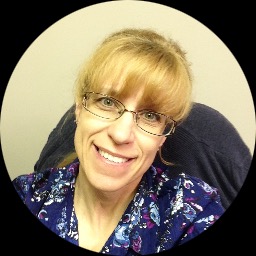
About Laura
Laura Gose is a licensed clinician based in North Carolina with 17 years of experience. She helps people who are feeling overwhelmed by stress, anxiety, panic, or shifts in mood. She also supports those coping with trauma, anger, and big life changes.
Laura speaks plainly and focuses on practical steps people can use right away. Her sessions begin by listening to each person's story and identifying their strengths. She uses Cognitive Behavioral Therapy, which looks at thoughts and behaviors that keep problems going.
Background and approach
Together she and the client set clear goals and try small, testable changes between meetings. Laura frames therapy as a team effort. She checks in on what’s working and adapts the plan when needed.
Sessions are geared toward building skills for managing panic attacks, reducing social anxiety, and improving communication patterns. Her background includes many years working with adults on mood disorders and trauma-related concerns. She encourages steady progress and practical coping tools rather than quick fixes.
People who prefer straightforward, skills-based work may find her approach helpful. Starting therapy with Laura involves a short intake to identify priorities and set a pace that fits each person. She emphasizes realistic steps and repeated practice to help people manage symptoms and regain a sense of control.
How CBT and online sessions can help with anxiety
Laura primarily uses Cognitive Behavioral Therapy (CBT), which helps people notice unhelpful thoughts and test new ways of thinking and behaving. CBT is often used for anxiety, panic attacks, mood problems, and social fears because it breaks problems into manageable steps and teaches concrete skills.Therapy is a collaborative process. The therapist and client work together to choose techniques that fit the person's goals and daily life. They may adjust methods over time based on what helps most, testing different strategies and tracking progress together.
Online sessions are offered as video calls, phone sessions, live chat, or text-based messaging to make care flexible. Video is useful for face-to-face conversation and observing nonverbal cues. Phone sessions work well when bandwidth is limited or a quieter check-in is needed. Live chat and text messaging can fit into busy schedules for shorter check-ins or when typing feels easier than speaking. These options make it simpler to fit therapy around work, family, and travel while keeping continuity of care.
Questions people ask
What concerns does she help with?
How would therapy feel in session?
What is her professional background?
Where is she licensed to practice?
Can I work with her if I live outside the United States?
What session formats are available?
How are fees and billing handled?
How do I begin working with her?
What this therapist works with
Most often
- Stress, Anxiety
- Trauma and abuse
- Anger management
Also listed
Therapeutic approaches
- Experience
- 17 years
- Licensed
- North Carolina
- Languages
- English
We will earn a commission if you sign up through our link, at no cost to you.