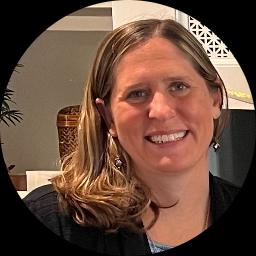
About Laura
Laura Finney is a licensed clinical mental health counselor (LCMHC) in North Carolina with 12 years of professional experience. She focuses on helping people manage stress, anxiety, trauma and abuse, self-esteem struggles, career concerns, and life transitions. Laura aims to create a calm space where people can speak honestly and feel heard.
Her style is direct and compassionate. She listens first, then works with each person to find practical steps that fit their life.
Background and approach
Sessions emphasize clear goals, simple tools for coping, and chances to practice new ways of thinking and acting. Laura has helped people facing panic attacks, social anxiety, and mood difficulties. She also supports those dealing with chronic pain or long-term illness, caregiver stress, and the fallout from abandonment or attachment wounds.
Work may include learning to tolerate strong emotions and rebuilding trust in oneself. She favors down-to-earth conversations over jargon. People can expect active guidance, gentle challenge, and real-world strategies for handling setbacks.
The aim is steady progress rather than quick fixes. Laura offers several online formats to fit busy lives. She encourages anyone considering therapy to take the first step, name one problem to start with, and see how sessions can be adjusted as things change.
Approaches for anxiety and life transitions online
Laura uses evidence-based therapeutic techniques that focus on practical change. One approach teaches skills to manage strong emotions and reduce panic symptoms through breathing, grounding, and stepwise exposure to feared situations. This work helps people feel less overwhelmed and more in control of daily tasks.A second approach centers on addressing trauma and its ongoing effects. It involves gentle processing of difficult memories, building safety with simple coping tools, and strengthening how someone notices and responds to triggers. This can reduce reactivity and improve day-to-day functioning.
Finding the right approach is part of the work together. The therapist will talk through goals, preferences, and what has or hasn’t helped before. That collaborative process guides which techniques are used and how quickly the plan changes over time.
Online therapy offers practical benefits for busy lives. Video calls let people use face-to-face time without travel. Phone sessions can work when bandwidth is limited or a shorter check-in is needed. Live chat and text-based messaging make it easier to keep momentum between sessions and fit support around work or caregiving responsibilities.
Questions people ask
What issues does Laura help with?
How would you describe her therapeutic approach?
What is her professional background?
Where is she licensed and located?
Which languages are supported for sessions?
What session formats are available?
How does payment and cost work?
How do I begin working with her?
What this therapist works with
Also listed
- Abandonment
- Attachment issues
- Career difficulties
- Caregiver issues and stress
- Chronic pain, illness, and disability
- Communication problems
- Coping with life changes
- Forgiveness
- Guilt and shame
- Impulsivity
- Isolation / loneliness
- Life purpose
- Money and financial issues
- Mood disorders
- Panic disorder and panic attacks
- Post-traumatic stress
- Social anxiety and phobia
- Women's issues
- Workplace issues
- Experience
- 12 years
- Licensed
- North Carolina
- Languages
- English
We will earn a commission if you sign up through our link, at no cost to you.