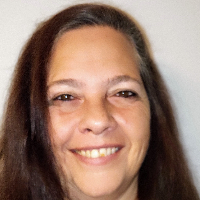
About Laura
Laura Anderson is a licensed mental health counselor with ten years of experience helping people manage stress, anxiety, and mood swings. She writes plainly and listens closely so clients can name what feels off and start small steps toward feeling better. Laura mixes warmth and a bit of humor to keep sessions human and down-to-earth.
Her approach is practical. She teaches skills people can use the next day to manage panic, low motivation, or sudden anger.
Background and approach
Sessions focus on real-life problems like parenting strain, career stress, relationship conflict, grief, and life transitions. Laura also supports people coping with issues such as abandonment, isolation, and feelings of guilt or shame. Laura uses a range of methods to match each person's needs.
She blends cognitive behavioral ideas that change unhelpful thinking with mindfulness practices that calm the body. Acceptance and Commitment Therapy helps people notice painful thoughts without getting stuck in them, and dialectical skills help manage intense emotions. Therapy with Laura emphasizes small experiments and clear practice between sessions.
She helps people spot what works, adjust plans, and build steady routines. The goal is more good days than bad days and clearer choices when stress hits. Laura is based in Florida and holds the LMHC credential, which she uses alongside a decade of clinical work.
Sessions are conducted in English and can address a wide range of concerns including panic attacks, mood disorders, codependency, and caregiver stress.
Approaches that translate to online care
Acceptance and Commitment Therapy focuses on noticing thoughts and choosing actions that match personal values. It helps when worry or low mood make it hard to do the things a person cares about. Cognitive Behavioral Therapy looks at the link between thoughts, feelings, and actions and teaches clear skills to change unhelpful patterns and reduce panic or anxiety. Client-Centered Therapy emphasizes a supportive, nonjudgmental relationship so people feel heard while they try new coping strategies.Choosing an approach is collaborative. The therapist will talk with each person about goals, try techniques in session, and adjust based on what helps most. Sessions often mix methods so the plan fits the client's needs and daily life.
Online sessions make it easier to fit therapy into a busy week. Video calls approximate face-to-face work and allow practice of skills in real time. Phone sessions can be quieter and use less bandwidth. Live chat or text-based messaging lets people check in, get brief coaching, or keep momentum between longer sessions. These options give flexibility for different schedules and preferences while working toward clearer coping and steadier mood.
Questions people ask
What concerns does she help with?
What is her general approach in sessions?
How much clinical experience does she have?
What credential does she hold and where is she located?
Can I meet with her in other languages or from outside the U.S.?
Which session formats are available?
How does payment and cost work?
What are the first steps to begin working together?
What this therapist works with
Most often
- Stress, Anxiety
- Anger management
- Self esteem
Also listed
- Abandonment
- Antisocial personality
- Career difficulties
- Caregiver issues and stress
- Codependency
- Communication problems
- Control issues
- Coping with life changes
- Depression
- Divorce and separation
- Family conflicts
- Forgiveness
- Grief
- Guilt and shame
- Intellectual disability
- Isolation / loneliness
- Life purpose
- Mood disorders
- Narcissism
- Panic disorder and panic attacks
- Paranoia
- Parenting issues
- Personality disorders
- Phobias
- Relationship issues
- Self-love
- Workplace issues
Therapeutic approaches
- Experience
- 10 years
- Licensed
- Florida
- Languages
- English
We will earn a commission if you sign up through our link, at no cost to you.