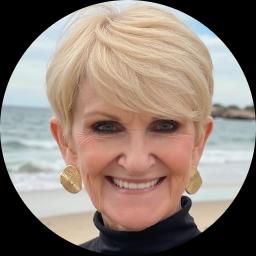
About Kathleen
Dr. Kathleen Morse welcomes people who are dealing with stress, anxiety, grief, depression, relationship strain, parenting challenges, trauma, or life changes. She is a Licensed Clinical Social Worker in New York and brings 15 years of clinical experience to sessions.
Her style is warm, direct, and collaborative. She listens first to understand what feels most urgent, then helps people set small, practical goals. Sessions focus on real-life problems and building skills that can be used between meetings.
Background and approach
Dr. Morse uses straightforward tools from Cognitive Behavioral Therapy and mindfulness to help people notice unhelpful thoughts and try new responses. She also draws on Narrative Therapy to help people make sense of difficult events and reclaim their own story.
The work is tailored to each person’s strengths and priorities. Her background includes a Doctor of Philosophy from New York University and a Master of Social Work from Adelphi University. She has spent years working in clinics, hospitals, cancer centers, and hospice, which informs a practical approach to serious life stressors.
People can expect clear feedback, skill-building exercises, and a focus on coping strategies for daily life. Dr. Morse aims to help people improve mood, ease anxiety, manage grief, and build resilience so they can move forward with more confidence.
How her approaches work online and in session
Dr. Morse uses Cognitive Behavioral Therapy to help people notice thinking patterns that keep anxiety and low mood active, and then practice small behavior changes to test different outcomes. CBT is useful for problem-focused work like anxiety, depression, and stress management.She also teaches Mindfulness Therapy techniques to help people build attention and calm in moments of distress. Mindfulness can support coping with grief, chronic illness, and persistent worry by training attention and reducing reactivity.
Finding the right approach is part of the work. She collaborates with each person to choose methods that match their goals, needs, and preferences, and adjusts strategies over time based on what helps most.
Online sessions are offered by video calls, phone sessions, live chat, and text-based messaging to provide flexibility. Video calls allow face-to-face conversation and skill demonstrations, phone sessions can fit into a work break or require less bandwidth, and messaging or live chat are useful for brief check-ins or ongoing support between sessions. These options make it easier to maintain continuity of care and to practice new skills in daily life.
Questions people ask
What kinds of concerns does she help with?
What is her therapy style like?
How much clinical experience does she have?
What credentials and location apply to her practice?
Which languages are offered and are international clients supported?
What session formats are available for online work?
How is cost handled for sessions?
How do I begin working with her?
What this therapist works with
Most often
- Stress, Anxiety
- Family conflicts
- Grief
Also listed
- Aging and geriatric issues
- Bipolar disorder
- Cancer
- Caregiver issues and stress
- Chronic pain, illness, and disability
- Communication problems
- Coping with life changes
- Depression
- Divorce and separation
- Emptiness
- Family problems
- Guilt and shame
- Hospice and end-of-life counseling
- Life purpose
- Mood disorders
- Parenting issues
- Postpartum depression
- Relationship issues
- Self esteem
- Social anxiety and phobia
- Trauma and abuse
- Women's issues
Therapeutic approaches
- Experience
- 15 years
- Licensed
- New York
- Languages
- English
We will earn a commission if you sign up through our link, at no cost to you.