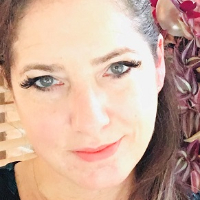
About Karen
Dr. Karen Kearby is a Licensed Professional Counselor (LPC) who brings a warm, interactive style to therapy. She focuses on practical steps people can take to manage stress and anxiety and to improve everyday relationships.
Her goal is to create a respectful, compassionate space where people can talk frankly and set clear goals. She uses a mix of approaches to match each person's needs, including client-centered work, cognitive behavioral techniques, dialectical behavior strategies, mindfulness, and solution-focused steps.
Background and approach
Sessions emphasize identifying unhelpful thoughts and practicing new skills that reduce distress. Karen encourages small, achievable changes that build momentum over time. Her background includes five years of professional experience across several settings, and she has worked with people facing depression, anger, self-esteem struggles, addictions, grief, bipolar challenges, intimacy concerns, and coping with life changes.
That range has shaped a practical, flexible approach to common problems. She also pays attention to compassion fatigue and the ways stress accumulates. In session she collaborates with people to set measurable goals and checks progress along the way.
She prefers short-term strategies when useful and longer work when issues run deeper. The aim is to help people leave therapy with clearer coping tools and greater confidence in handling tough moments. Her style is direct but kind.
She invites those ready to try something different to take a first step toward change.
How therapeutic approaches shape online work
Client-centered therapy focuses on listening and responding to what matters most to each person. It helps people feel heard and guides conversations so clients set the goals they want to reach. Cognitive Behavioral Therapy, or CBT, looks at the link between thoughts, feelings, and actions and teaches practical skills to reduce anxiety and change unhelpful thinking patterns. Dialectical Behavior Therapy, or DBT, adds skills for managing strong emotions and improving relationships through clear, step-by-step tools.Choosing the best approach is a team effort. The therapist will talk with the client about their priorities and try methods that fit those goals. Early sessions usually focus on learning a few skills and checking whether they help. Over time the plan is adjusted based on what works for the person.
Online sessions are offered by video calls, phone sessions, live chat, or text-based messaging to make care more flexible. Video is useful for a full conversational session with visual cues, while phone work can be easier when bandwidth is limited. Live chat and text messaging work well for shorter check-ins, skill practice, or brief problem-solving between longer sessions. These options let people fit therapy into busy schedules and keep steady progress without extra travel.
Questions people ask
What concerns does she help with?
What is her therapy style like?
What kind of experience does she have?
What credentials and region are listed?
Which languages are supported for sessions?
What formats are available for online sessions?
How are sessions billed and what does cost look like?
How do I begin the process?
What this therapist works with
Most often
- Stress, Anxiety
- Relationship issues
- Anger management
Also listed
Therapeutic approaches
- Experience
- 5 years
- Licensed
- Georgia, Tennessee
- Languages
- English
We will earn a commission if you sign up through our link, at no cost to you.