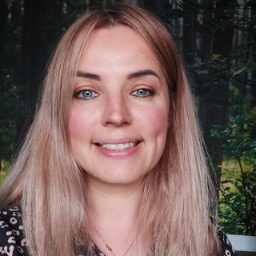
About Jolanta
Jolanta Grossi is a counsellor who uses a humanistic, client-centred approach. She aims to build a warm, respectful relationship where people feel heard and understood. Her style is calm and attuned, with a focus on helping clients find their own way forward.
She trained with a Bachelor of Science with Honours in counselling and psychotherapy and holds BACP registration. She has three years of practice experience and keeps developing resources that reflect an ethical approach to care.
Background and approach
In sessions she listens for what matters most to the person in front of her. Conversations focus on understanding how past and present interactions affect feelings and behaviour. She helps people notice patterns, name emotions, and try new ways of responding.
Jolanta works with a wide range of concerns including anxiety, stress, depression, trauma and abuse, bereavement, addictions and relationship and intimacy-related issues. She also supports people with ADHD, bipolar difficulties, eating concerns, anger, self-harm, hoarding and phobias. Her practical approach means she tailors discussions and plans to each person.
Change is paced to what the client can manage. She aims to strengthen self-awareness and promote autonomy as clients work towards goals that matter to them.
Client-Centred care adapted for online sessions
Client-Centred Therapy places the client's experience at the heart of the work. The counsellor listens deeply, reflects what she hears, and helps the person explore their feelings and choices. This approach is useful for anxiety, depression, relationship issues and grief because it helps people feel understood and more able to make changes.Her humanistic, integrative view means she pays attention to the whole person and adapts conversations to whatever emerges in the session. That might involve gentle inquiry into past and present relationships or focusing on practical steps a person can try between sessions. The aim is collaborative: the therapist and client work together to find what helps, and they adjust the approach as needs evolve.
Online formats make attendance more flexible. Video calls let people use visual cues and a fuller conversational style. Phone sessions suit those who prefer not to be on camera or who have limited bandwidth. Live chat and text-based messaging offer brief check-ins and a way to reflect in writing between longer sessions. These options help fit therapy around work, caregiving and travel while keeping the focus on the therapeutic relationship and progress.
Questions people ask
What concerns does this counsellor address?
What is her therapeutic style like?
How much experience does she have?
What credentials and location are listed?
Which languages are supported and can she see international clients?
What session formats are available?
How do fees and billing work?
What are the first steps to begin therapy?
What this therapist works with
Most often
Also listed
- Addictions
- ADHD
- Anger management
- Bipolar disorder
- Coping with life changes
- Depression
- Eating disorders
- Family conflicts
- Hoarding
- Hospice and end-of-life counseling
- Intimacy-related issues
- Jealousy
- Parenting issues
- Phobias
- Relationship issues
- Self esteem
- Self-harm
- Sexual assault and abuse
- Stress, Anxiety
Therapeutic approaches
- Experience
- 3 years
- Licensed
- Languages
- English
We will earn a commission if you sign up through our link, at no cost to you.