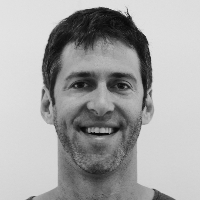
About Jeffrey
Dr. Jeffrey Friedman is a licensed clinical social worker with a decade of practice helping people facing anxiety, stress, addiction, and trauma. He holds LCSW and LICSW credentials and works from Florida.
He approaches therapy with a calm, direct style that aims to make conversations feel natural and useful for everyday life. Clients can expect a focus on immediate concerns like panic, social anxiety, and relationship strain. He also addresses identity and LGBT issues, questions about life purpose, and challenges that come from family of origin.
Background and approach
Sessions are practical and grounded in what a person needs right now. His background includes ten years of clinical experience working with trauma and abuse. He uses trauma-focused work alongside narrative and client-centered approaches to help people tell their story and notice patterns that get in the way.
That mix supports both short-term problem solving and deeper change. In sessions he listens closely and reflects what he hears. He encourages small experiments outside session to test new ways of coping.
Progress is measured in clearer thinking, fewer intense reactions, and better daily routines. People who prefer a straightforward therapist who balances empathy with concrete steps may find his style helpful. He offers video calls, phone sessions, live chat, and text-based messaging to fit different schedules and needs.
Approaches that guide online sessions
Dr. Friedman uses client-centered work to keep the conversation focused on the person in front of him. That means sessions start with listening and following what matters most to the client, which helps with anxiety, stress, and relationship worries.He also draws on trauma-focused therapy to address past abuse or overwhelming events. This approach breaks difficult memories into manageable parts and teaches skills to reduce intense reactions and improve daily functioning.
Finding the right approach is treated as a collaborative process. The therapist will talk with each person about their needs, goals, and preferences and will adjust methods over time. Clients have a say in whether they try narrative exercises, grounding skills, or reflective conversations.
Online formats include video calls, phone sessions, live chat, and text-based messaging. Video is useful for deeper conversations and visual cues. Phone sessions can fit a busy schedule or use less bandwidth. Live chat and text-based messaging are helpful for short check-ins, quick coping strategies, or people who prefer not to be on camera. These options make it easier to keep therapy consistent around work, school, or family life.
Questions people ask
What concerns does he address?
What is his therapeutic style?
How much clinical experience does he have?
Where is he licensed and based?
Which languages are supported?
What session formats are available?
How are sessions billed?
How do I begin working with him?
What this therapist works with
Most often
- Stress, Anxiety
- Addictions
- Relationship issues
Also listed
- Attachment issues
- Family conflicts
- Family of origin issues
- Family problems
- LGBT
- Life purpose
- Men's issues
- Polyamory / non-monogamous relationships
- Social anxiety and phobia
- Trauma and abuse
Therapeutic approaches
- Experience
- 10 years
- Licensed
- Florida, Washington
- Languages
- English
We will earn a commission if you sign up through our link, at no cost to you.