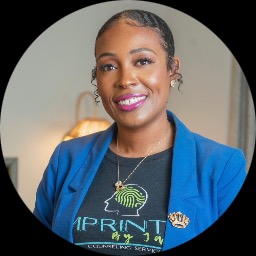
About Jasmine
Jasmine Johnson is a Licensed Professional Counselor (LPC) and a Licensed Clinical Mental Health Counselor (LCMHC) with nine years of clinical work. She practices from Texas and offers counseling in English, including to international clients. Her days focus on helping people who feel overwhelmed by stress, anxiety, trauma, grief, and low self-esteem.
Jasmine aims to make sessions feel calm and straightforward. She creates space for people to say what they’re feeling and to notice what gets in the way of change.
Background and approach
Conversations are practical and relational - she listens, asks clear questions, and suggests simple steps clients can try between sessions. Her background includes work with trauma, abuse, and post-traumatic stress. She also supports people facing major life changes, divorce and separation, or the pain of isolation and loneliness.
Other focus areas include attachment concerns, communication problems, forgiveness, guilt and shame, life purpose, and building self-love. Jasmine uses Cognitive Behavioral Therapy, which helps people identify unhelpful thoughts and change how they act in response. That approach often includes practicing new skills outside sessions to build confidence over time.
Clients who choose her will find a direct, compassionate style grounded in personal values. She describes therapy as a shared process where goals are set together and progress is tracked in small, achievable steps.
CBT and practical therapy online
Jasmine uses Cognitive Behavioral Therapy to help people spot and change unhelpful thoughts and behaviors. CBT breaks problems into thoughts, feelings, and actions so clients can try new responses and track small wins. It is commonly used for anxiety, stress, and symptoms related to trauma and grief.Her style is collaborative. She will help a person and therapist choose the best approach based on needs, goals, and preferences. That means trying a method for a few sessions and adjusting it if it does not fit or is not helping in the hoped-for way.
Online sessions are offered as video calls, phone sessions, live chat, or text-based messaging to match daily life. Video is useful for deeper conversations and visual cues. Phone sessions can be easier when bandwidth is limited or a face-free option is desired. Live chat and text messaging work well for brief check-ins, skill practice, or when a shorter touchpoint fits between other commitments. These options make it easier to keep therapy consistent around work, school, or caregiving demands.
Questions people ask
What kinds of concerns does she help with?
What is her general approach in sessions?
How much clinical experience does she have?
What credentials and region are listed?
Which languages and international options are available?
What session formats are offered?
How does pricing work for sessions?
How do I start working with her?
What this therapist works with
Most often
Also listed
Therapeutic approaches
- Experience
- 9 years
- Licensed
- Texas, North Carolina
- Languages
- English
We will earn a commission if you sign up through our link, at no cost to you.