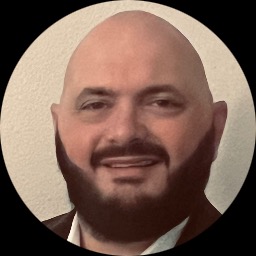
About James
James Saxton is a Licensed Clinical Social Worker (LCSW) based in Texas who helps people facing stress, anxiety, addiction, trauma, sleep problems, depression, grief, anger, and self-esteem concerns. He keeps things straightforward and works with each person to set clear goals and practical steps. Sessions focus on awareness, honest conversation, and small changes that add up over time.
He approaches therapy as a collaboration. He listens for what motivates change and adapts his style to match each person's needs.
Background and approach
That means no single method for everyone - progress comes from tailoring sessions around real-life goals and what feels manageable. James draws on evidence-based therapeutic techniques and experience addressing mood disorders, panic and post-traumatic stress, and process addictions such as gambling or compulsive behaviors. He also helps people with attachment struggles, codependency, communication and control issues, and family of origin concerns.
In sessions he focuses on practical skills, clearer thinking about relationships, and building routines that support better sleep and mood. When substance issues are present he brings experience with drug and alcohol addiction and related recovery work. He emphasizes learning coping skills that fit daily life.
With five years of clinical experience, James keeps sessions direct and respectful. He offers video calls, phone sessions, live chat, and text-based messaging so people can choose what fits their schedule. All work is done in English and he practices as an LCSW in Texas.
Practical approaches for online anxiety and addiction care
James uses evidence-based therapeutic techniques that focus on clear skills and real-life change. One approach emphasizes skill building to manage panic, anxiety, and mood symptoms by teaching breathing, grounding, and short cognitive tools to interrupt unhelpful thought patterns. Another approach concentrates on behavioral routines and relapse prevention for people dealing with substance use or process addictions, helping create routines and strategies to reduce triggers and strengthen coping. Finding the right approach is part of the work together. He will talk with each person about their goals and preferences, then try methods that fit those needs. Decisions about technique are made collaboratively and adjusted as progress is observed. Online formats make it easier to fit therapy into a busy life. Video calls allow face-to-face conversation when visual cues matter. Phone sessions can be a good choice when bandwidth is limited or a quicker check-in is needed. Live chat and text messaging are useful for brief reflections, between-session support, or when typing feels easier than speaking. These options give flexibility so people can keep moving toward goals without major schedule changes.Questions people ask
What concerns does he help with?
What is his approach in sessions?
How much clinical experience does he have?
What credentials and location are listed?
Which languages are supported?
What session formats are available?
How are fees handled?
How do I begin working with him?
What this therapist works with
Also listed
- Anger management
- Attachment issues
- Codependency
- Commitment issues
- Communication problems
- Control issues
- Depression
- Drug and alcohol addiction
- Family of origin issues
- Forgiveness
- Grief
- Guilt and shame
- Life purpose
- Men's issues
- Mood disorders
- Panic disorder and panic attacks
- Post-traumatic stress
- Process addiction (porn, exercise, gambling)
- Relationship issues
- Self esteem
- Self-harm
- Self-love
- Sleeping disorders
- Experience
- 5 years
- Licensed
- Texas
- Languages
- English
We will earn a commission if you sign up through our link, at no cost to you.