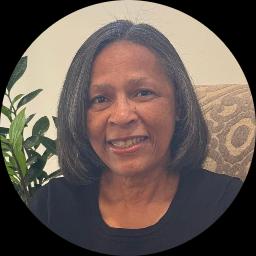
About Glenda
Glenda Johnson is a Licensed Clinical Mental Health Counselor (LCMHC) based in North Carolina with four years of clinical experience. She focuses on helping people who feel overwhelmed by anxiety and stress and those facing big life changes. Her style is calm and direct, aimed at creating practical steps you can use between sessions.
She often supports women managing daily worry and the pressure of balancing multiple roles. Glenda also helps professionals who are thinking about career changes or dealing with workplace stress, offering ways to gain clarity and move forward.
Background and approach
Conversations are straightforward and focused on immediate challenges as well as longer-term goals. Glenda draws on client-centered methods to keep sessions respectful of each person’s background and values. She blends that with cognitive behavioral techniques to identify unhelpful thoughts and try new behaviors.
Solution-focused work is used to set small, achievable goals and notice progress quickly. Sessions tend to be collaborative and goal oriented. Expect practical tools, short experiments to try between meetings, and tracking of what does and doesn’t help.
The tone is supportive but action-oriented so people leave feeling more capable. Taking a first step can feel hard, and Glenda presents it as a partnership. She aims to help people build routines and strategies that reduce worry, improve communication, and restore a sense of control over daily life.
Practical therapy methods for online care
Glenda uses client-centered work to focus on each person’s values and perspective, creating a respectful space to talk about what matters most. Cognitive behavioral therapy, or CBT, helps identify thought patterns that increase anxiety and tests new actions to reduce symptoms. Solution-focused work emphasizes setting small, concrete goals and noticing progress quickly to build momentum.Choosing the right approach is a collaborative process. The therapist will listen to your goals and preferences, then help decide which methods to try first. Plans are adjusted over time based on what helps you feel steadier and more effective in daily life.
Online therapy offers several practical ways to connect. Video calls allow face-to-face conversation and visual cues. Phone sessions can be easier when bandwidth or camera use is limited. Live chat and text-based messaging work well for shorter check-ins, daily tracking, or when a written format feels clearer. These options make it simpler to fit sessions into a workday, manage follow-up between meetings, and keep momentum while handling a busy schedule.
Questions people ask
What kinds of concerns are addressed?
What is her therapy style like?
How much experience does she have?
What are her credentials and where is she based?
Which languages are offered for sessions?
Can people outside the U.S. work with her?
What session formats are available?
How does cost and scheduling work?
What this therapist works with
Most often
- Stress, Anxiety
- Relationship issues
- Parenting issues
Also listed
Therapeutic approaches
- Experience
- 4 years
- Licensed
- North Carolina
- Languages
- English
We will earn a commission if you sign up through our link, at no cost to you.