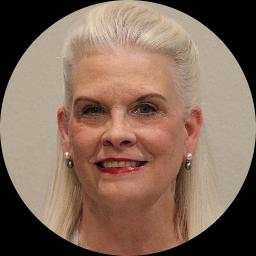
About Ginna
Ginna Downing is a Licensed Mental Health Counselor (LMHC) practicing in Florida. She works with people facing anxiety, stress, relationship struggles, grief, caregiving strain, and other life transitions. Her style is straightforward and focused on real-world change.
Ginna uses cognitive approaches to help clients notice unhelpful thinking patterns. She then helps people test and shift those thoughts so they can reach practical goals. She also bases work on the client’s experience, asking questions and listening before offering tools.
Background and approach
Sessions address common day-to-day problems like parenting stress, work-life balance, and feeling overwhelmed. Ginna also helps with deeper issues such as trauma, grief, and intimacy-related concerns. She supports people coping with addiction, mood changes, and the stresses tied to first responder or veteran experiences.
With 11 years of experience, Ginna brings steady, calm guidance to sessions. She checks messages mid-morning and mid-afternoon every day, so people typically hear back the same day or the next. Her approach emphasizes partnership - clients set goals and she helps map the steps.
People who prefer practical strategies and a respectful, listening clinician may find her approach helpful. She offers several remote session formats to fit different schedules and communication styles.
Using client-centered and cognitive approaches online
Ginna practices client-centered work and cognitive behavioral therapy in remote sessions. Client-centered therapy focuses on listening closely and following the client’s lead to build trust and clarify goals. Cognitive behavioral therapy helps people spot thinking patterns that cause distress and try out new responses to reduce anxiety and improve mood.Choosing the right approach is part of the process. Ginna collaborates with each person to decide whether leaning into cognitive tools, emphasizing empathic listening, or combining both will best meet their goals. She checks in regularly and adjusts methods based on what is helpful for the individual.
Online therapy offers flexible ways to connect. Video sessions let people work face-to-face when visual cues matter. Phone sessions use less bandwidth and can fit into a short break during the day. Live chat and text-based messaging allow brief check-ins, written reflection, and ongoing support between longer sessions. These options make it easier to fit therapy around work, caregiving, and busy schedules.
Questions people ask
What kinds of problems does she address?
How would you describe her therapeutic style?
What is her professional background?
Where is she licensed and practicing?
Can I work with her if I live outside the United States?
What formats are available for sessions?
How does payment and cost work?
How do I begin working with her?
What this therapist works with
Most often
- Stress, Anxiety
- Parenting issues
- Anger management
Also listed
- Addictions
- Aging and geriatric issues
- Caregiver issues and stress
- Commitment issues
- Compassion fatigue
- Coping with life changes
- Divorce and separation
- Family conflicts
- Family of origin issues
- Family problems
- First responder issues
- Grief
- Intimacy-related issues
- Life purpose
- Midlife crisis
- Mood disorders
- Pregnancy and childbirth
- Relationship issues
- Self esteem
- Trauma and abuse
- Veteran and Armed Forces Issues
- Women's issues
- Workplace issues
- Young adult issues
Therapeutic approaches
- Experience
- 11 years
- Licensed
- Florida
- Languages
- English
We will earn a commission if you sign up through our link, at no cost to you.