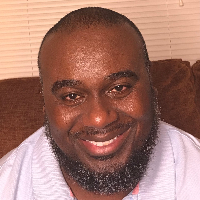
About Franklin
Franklin Moore is a Licensed Clinical Mental Health Counselor (LCMHC) based in North Carolina. He uses a person-centered approach mixed with cognitive behavioral techniques to help people handle stress and anxiety. Franklin writes short, practical plans with clients and focuses on clear steps people can try between sessions.
He brings six years of counseling experience in community health settings and many more years working in mental health roles. That background shaped his direct style and his focus on helping people manage real-life problems.
Background and approach
He aims to create a supportive space where clients can name what feels hard and decide what to try next. Sessions often focus on changing unhelpful thinking patterns and improving everyday coping skills. Franklin uses CBT tools to identify thoughts that lead to stressful behavior.
He combines that with a client-centered stance that emphasizes listening and acceptance. Common concerns he addresses include anxiety, stress, depression, grief, trauma and abuse, addiction, ADHD, and burnout or compassion fatigue. He also helps people navigate parenting and family strain, relationship difficulties, career stress, and life transitions.
Franklin offers practical homework and communication practice when it fits a person’s goals. He works with clients to build small, manageable habits that reduce distress and improve functioning. His aim is steady progress rather than quick fixes.
How client-centered and CBT work online
Client-centered therapy focuses on listening, acceptance, and following the person's goals. Online sessions let the therapist hear what matters most and reflect it back so people feel understood and can choose small next steps.Cognitive behavioral therapy targets thoughts and behaviors that keep problems going. In remote sessions this often involves identifying unhelpful thoughts, trying brief behavioral experiments, and using simple worksheets or practice tasks between meetings to build new habits.
Finding the right approach is a shared process. The therapist will work collaboratively to decide whether client-centered methods, CBT tools, or a mix fits best for your needs and goals. Together you can adjust techniques over time based on what helps most.
Online therapy offers flexibility and practical options. Video calls let for face-to-face conversation and screen-sharing of worksheets. Phone sessions can be easier when bandwidth is limited or a shorter check-in is needed. Live chat and text messaging support ongoing check-ins, quick coping reminders, or brief problem-solving between scheduled sessions. These options make it easier to fit therapy into busy days and varied schedules.
Questions people ask
What kinds of concerns does this counselor address?
What is the therapy style and approach used?
What experience does the therapist have?
Where is the therapist licensed and located?
In which languages are sessions offered?
What session formats are available?
How does payment and cost work?
How do I begin working with this counselor?
What this therapist works with
Most often
- Stress, Anxiety
- Family conflicts
- Parenting issues
Also listed
- Addictions
- ADHD
- Anger management
- Career difficulties
- Chronic pain, illness, and disability
- Communication problems
- Compassion fatigue
- Coping with life changes
- Depression
- Divorce and separation
- Emptiness
- Family problems
- Grief
- Intellectual disability
- LGBT
- Men's issues
- Relationship issues
- Self esteem
- Self-love
- Trauma and abuse
Therapeutic approaches
- Experience
- 6 years
- Licensed
- North Carolina
- Languages
- English
We will earn a commission if you sign up through our link, at no cost to you.