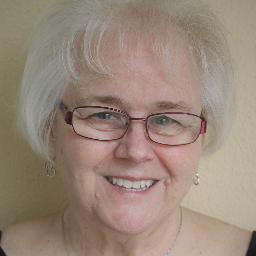
About Frances
Frances "Tansie" Walker is a Licensed Mental Health Counselor with more than three decades of experience. She helps people facing stress, anxiety, grief, relationship trouble, addiction, and major life changes. Her approach blends counseling and coaching to address practical needs and personal goals.
She begins by listening to what matters most to the person in front of her. Sessions focus on clear goals and step-by-step plans that can fit into a busy life.
Background and approach
Tansie uses straightforward conversation and evidence-informed methods to reduce overwhelm and increase coping skills. Her background includes long clinical experience in counseling along with time teaching at the college level. That combination shapes a style that is calm, direct, and educational.
She draws on multiple approaches when needed so each person gets a tailored plan. People come to her for many concerns - anxiety, depression, trauma, relationship conflict, grief, and issues tied to addiction or codependency. She also supports those facing career strain, intimacy concerns, blended family challenges, and complications from infidelity or separation.
In sessions she works alongside clients to identify patterns, improve communication, and rebuild trust in themselves. Therapy may include practical skill work, emotion-focused conversations, and attention to how early relationships affect current choices. The overall aim is clearer thinking, steadier emotions, and better connections with others.
How therapeutic approaches translate to online sessions
Attachment-Based Therapy focuses on how early relationships shape current patterns. In practice this means talking about important relationships, identifying repeated patterns, and trying new ways of connecting that reduce anxiety and improve trust. Client-Centered Therapy centers the person's own goals and pace, with the therapist offering empathy and reflection to help people find their own solutions; this often helps with low self-esteem and decision-making.Finding the right approach is a collaborative process. The therapist will discuss goals and preferences, then adapt methods to what feels most useful. Over time the plan can change based on progress and what the person finds helpful.
Online sessions are offered by video calls, phone sessions, live chat, or text-based messaging to increase flexibility. Video lets people use visual cues and longer conversation. Phone works well when bandwidth is limited or for a focused check-in. Live chat and text messaging are useful for quick check-ins, brief coaching, or when someone prefers writing to speaking. These options make it easier to fit therapy into work, school, or family life while keeping continuity of care.
Questions people ask
What issues does she help with?
What is her therapeutic style?
How much experience does she have?
What credentials and location are listed?
Which languages are offered for sessions?
Are international clients accepted?
What session formats are available?
How does payment and scheduling work?
What this therapist works with
Most often
- Stress, Anxiety
- Relationship issues
- Trauma and abuse
Also listed
- Abandonment
- Addictions
- Attachment issues
- Blended family issues
- Career difficulties
- Coaching
- Codependency
- Commitment issues
- Communication problems
- Compassion fatigue
- Coping with life changes
- Depression
- Divorce and separation
- Drug and alcohol addiction
- Family conflicts
- Grief
- Infidelity
- Intimacy-related issues
- Jealousy
- Polyamory / non-monogamous relationships
- Self esteem
Therapeutic approaches
- Experience
- 34 years
- Licensed
- Florida
- Languages
- English
We will earn a commission if you sign up through our link, at no cost to you.