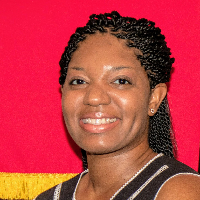
About Faith
Rev. Faith Richardson is a Licensed Professional Counselor who brings ten years of clinical experience to her practice. She trained in psychology and counseling and also holds a Master of Divinity, combining mental health skills with pastoral perspectives.
She practices in Georgia and offers services in English, including to international clients. Her approach centers on building rapport and offering unconditional positive regard. Sessions are practical and focused on what the client wants to change.
Background and approach
She uses Cognitive Behavioral Therapy and Solution-Focused Therapy along with client-centered ideas to fit each person's needs. Faith has worked in hospitals, psychiatric and drug treatment facilities, and in church settings. That mix of settings shaped a pragmatic style for dealing with stress, anxiety, addiction, and depression.
She also supports people facing relationship strain, family conflict, bipolar symptoms, low self-esteem, and compassion fatigue. In sessions she helps people identify small, doable steps. Clients can expect to talk through patterns, test new behaviors, and set clear goals.
She adapts tools to daily life rather than offering abstract theory. Faith emphasizes respect for each person’s story and combines counseling skills with pastoral care when that fits the client. Her goal is to help people manage symptoms and move toward clearer routines and healthier relationships.
How her approaches work online
Client-Centered Therapy focuses on listening and making space for each person's experience. The therapist follows the client's lead, reflects what she hears, and helps clients name their goals and values. This is useful for people who need to feel heard and understood before making changes.Cognitive Behavioral Therapy, or CBT, looks at how thoughts and actions keep problems going. In sessions the therapist helps identify unhelpful thinking patterns and practises small behavioral changes that reduce anxiety and depression symptoms. CBT works well for stress, anxiety, mood struggles, and situations where routines and thinking habits matter.
Solution-Focused Therapy emphasizes small, concrete steps toward specific goals. Sessions often involve identifying strengths and past successes and planning what to try next. It is a good fit when someone wants fast, practical change rather than deep exploration at first.
Finding the best approach is part of the work together. The therapist will discuss options, try different techniques, and adjust based on the client's needs, goals, and preferences. That collaboration helps shape a plan that fits each person's life.
Online therapy makes these methods easier to use in everyday life. Video calls allow face-to-face conversation and skill practice. Phone sessions can be a shorter check-in or fit when bandwidth is limited. Live chat and text-based messaging let clients share between sessions and get brief support during a busy week. These options increase flexibility and make it simpler to keep therapy consistent.
Questions people ask
What concerns does she address?
What is her therapeutic style like?
How much clinical experience does she have?
What credentials and region does she hold?
Which languages are supported and can she work with clients abroad?
What session formats are available?
How is cost handled for sessions?
How do I begin working with her?
What this therapist works with
Most often
- Stress, Anxiety
- Addictions
- Relationship issues
Also listed
- Bipolar disorder
- Compassion fatigue
- Depression
- Family conflicts
- Self esteem
Therapeutic approaches
- Experience
- 10 years
- Licensed
- Georgia, Alabama, South Carolina
- Languages
- English
We will earn a commission if you sign up through our link, at no cost to you.