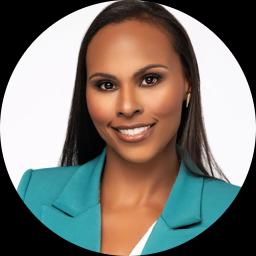
About Erica
Dr. Erica Johnson welcomes visitors with a calm, direct approach focused on stress and anxiety. She helps people who feel overwhelmed by worry, past trauma, low self-worth, or big life changes.
Her tone is straightforward and compassionate, and she aims to make the first steps feel manageable. She uses plain, practical tools to reduce overwhelm. Sessions often include learning coping skills, noticing unhelpful patterns, and trying new ways to respond to stress.
Background and approach
The goal is to ease anxious thinking and build habits that support daily functioning and clearer decision making. Dr. Johnson brings ten years of clinical social work experience and a background in organizational behavior.
She holds a Master of Social Work and a PhD in Organizational Behavior, and she lists credentials as LISW and LICSW. Her combined clinical and workplace experience helps her see how job stress, relationships, and life roles interact. Her style is integrative and trauma-informed.
She blends cognitive and acceptance-based methods with mindfulness and self-compassion practices. That mix helps people address long-standing patterns like codependency, attachment concerns, and difficulty setting boundaries. Practical goals guide the work.
People can expect clear steps, regular skill-building, and attention to whatever is most pressing right now. Sessions aim to reduce anxiety, improve communication, and support progress toward meaningful life goals.
Evidence-based approaches for online care
Dr. Johnson draws on cognitive-behavioral techniques that help people recognize and change unhelpful thought patterns and behaviors. CBT is useful for anxiety, mood concerns, and practical problem solving because it teaches clear skills you can use between sessions.She also uses acceptance and commitment strategies that focus on clarifying values and building willingness to tolerate difficult feelings while moving toward meaningful goals. These methods can help with stress, avoidance, and decisions about career or life direction.
Finding the right approach is a collaborative process. The therapist will talk with each person about goals, try methods that fit those goals, and adjust based on what helps. Clients and the therapist decide together which tools to keep using as therapy progresses.
Online formats offer flexibility for busy lives. Video calls allow face-to-face conversation and skill practice, while phone sessions can work when bandwidth is limited or when a camera is not preferred. Live chat and text-based messaging let people check in between sessions or use shorter, focused exchanges when a full session isn't possible. These options make it easier to fit therapy into work, school, or family schedules and to continue making progress across different settings.
Questions people ask
What kinds of concerns does this therapist address?
What is the therapist's general approach in sessions?
How much clinical experience does she have?
What credentials and location are listed for this therapist?
Are sessions available in other languages or to international clients?
Which session formats are offered?
How does payment or cost work for sessions?
What are the first steps to begin therapy here?
What this therapist works with
Also listed
- Abandonment
- Attachment issues
- Career difficulties
- Codependency
- Communication problems
- Control issues
- Coping with life changes
- Emptiness
- Forgiveness
- Guilt and shame
- Isolation / loneliness
- Life purpose
- Mood disorders
- Personality disorders
- Post-traumatic stress
- Self-love
- Social anxiety and phobia
- Women's issues
- Workplace issues
- Experience
- 10 years
- Licensed
- Pennsylvania, Ohio, Alabama
- Languages
- English
We will earn a commission if you sign up through our link, at no cost to you.